


Uncategorised
Quality Inspection Tables for Manufacturing Facilities
Factory floors rarely fail because of big machines alone. Small things slip first. A loose bolt was missed. A scratch is ignored. That is where a quality inspection table quietly becomes the most important station in the room. Not flashy, not loud, but critical. This blog breaks down what makes a solid inspection setup, how modern facilities are improving accuracy, and what actually works in real production environments.

Why Inspection Tables Matter More Than Expected

Quality checks are not just a final step. They shape the whole production flow. A poorly designed work table slows inspection, causes errors, and tires workers faster than expected. A study by the American Society for Quality showed that structured inspection stations can reduce defect rates by up to 30 per cent. That is not a small gain.
It means fewer returns, better customer trust, and smoother operations. From personal observation in mid-scale factories, inspection areas often get ignored during planning. Machines get priority. Inspection gets leftovers. That decision usually comes back later in the form of rework and delays.
Key Features of an Effective Industrial Workbench
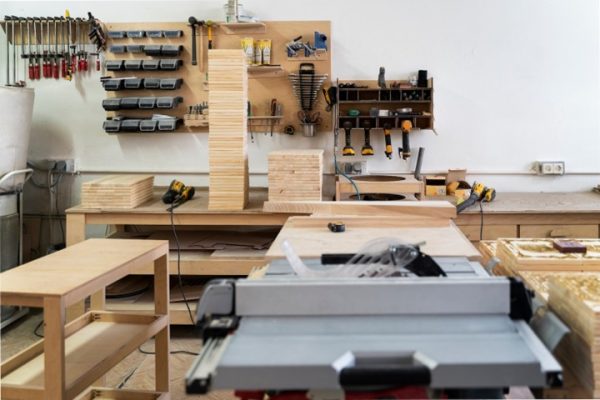
- Build Quality and Stability: A good industrial workbench should feel solid. No wobble. No vibration. Even a small movement can affect inspection accuracy, especially for precision parts.
- Ergonomic Design: Height matters more than people think. Workers bending all day lose focus quickly. Adjustable height options help reduce fatigue and improve consistency.
- Surface Material: Smooth but not slippery. Stainless steel and laminated hardwood are common choices. They are easy to clean and resist damage from tools or chemicals.
- Lighting Integration: Poor lighting ruins inspection. Built-in LED lighting or overhead fixtures directly above the table can improve visibility instantly.
Practical Setup Tips That Make a Difference
- Keep tools within arm’s reach. Searching wastes time and breaks focus.
- Add labelled bins for rejected and approved items. Mixing them up creates chaos.
- Use anti-fatigue mats near the work table to support long shifts.
These small changes feel minor at first. Over time, they reduce errors and improve speed without adding cost.
Real-World Use Case: Automotive Parts Facility
A mid-sized automotive supplier upgraded its inspection area by replacing old tables with modular industrial workbench systems. The change looked simple. But results showed otherwise.
Inspection time dropped by 18 per cent. Worker complaints about fatigue went down. Defect detection improved because lighting and layout were optimised.
One supervisor mentioned something interesting. The team did not work faster. They worked more smoothly. That difference matters more in the long run.
How to Choose the Right Quality Inspection Table
- Match Table to Task: Not every quality inspection table fits every job. Heavy parts need reinforced frames. Electronics require anti-static surfaces.
- Consider Space Constraints: Crowded layouts lead to mistakes. Measure available space before selecting any work table or setup.
- Think Long-Term: Cheap tables cost more over time. Repairs, replacements, and inefficiency add up quietly.
Common Mistakes to Avoid
- Ignoring worker comfort and posture
- Using poor lighting conditions
- Overloading a single industrial workbench with multiple tasks
These mistakes do not show immediately. They build slowly, then hit production quality hard.
Conclusion
Inspection is not just a checkpoint. It is where quality either survives or fails. The right setup changes everything quietly. Better lighting, stable surfaces, and thoughtful layout bring real results over time. Small improvements stack up into major gains. That is the difference between average production and consistent excellence. Workshop Workbench understands this balance and builds solutions that actually support real work on real factory floors.
FAQs
1. What is a quality inspection table used for?
A quality inspection table is used to examine products for defects, measure accuracy, and ensure manufacturing standards are met before items move forward.
2. How is a work table different from an industrial workbench?
A work table is more general and lighter in design, while an industrial workbench is built for heavy-duty tasks, durability, and long-term use in factories.
3. What materials are best for inspection tables?
Common materials include stainless steel, hardwood, and laminated surfaces. These offer durability, easy cleaning, and resistance to wear.
4. How can an industrial workbench improve productivity?
A well-designed industrial workbench improves workflow, reduces fatigue, and helps workers maintain accuracy, leading to better overall productivity.