


Uncategorised
Industrial Workbenches vs Standard Work Tables: Which One is Right for You?

Apr
Every workshop setup tells a story. Some run smoothly for years. Others struggle with unstable surfaces, worn-out tops, and constant replacements. That difference often comes down to one decision: choosing the right industrial workbench or settling for standard work tables.
This blog clears the confusion. It explains what each option offers, where they work best, and how to make a smart, long-term choice.
What Makes an Industrial Workbench Different?
An industrial workbench is not just a table with a stronger frame. It is built for pressure, repetition, and serious workloads. Workshops that deal with tools, machines, or continuous tasks rely on these benches to stay productive.
Strength is the defining factor. Stability follows closely behind. A well-built bench holds firm even during intense work, which improves both safety and accuracy.
Where Standard Work Tables Still Make Sense

Work tables are simpler. They are lighter, easier to move, and usually more affordable. That makes them useful in spaces where tasks are not physically demanding.
They often appear in packing stations, light assembly areas, or temporary setups. For these uses, they do the job just fine without overcomplicating things.
Key Differences That Actually Matter
Not all differences are obvious at first glance. Some only show up after weeks of use.
Core Performance Factors
- Load capacity and strength under pressure
- Stability during tool use or assembly
- Resistance to wear over time
- Ability to handle continuous daily work
Industrial setups clearly outperform here. A workbench is heavy-duty and is not meant to be used now and then.
Practical Considerations
- Budget limitations and upfront cost
- Need for mobility or flexibility
- Type of tasks performed daily
- Available space in the workshop
Work tables often win in flexibility, while industrial benches win in performance.
Real-World Insight from Workshop Use
A fabrication unit once relied on standard work tables for daily operations. Within months, surfaces started bending underweight, and repairs became frequent. Switching to industrial benches solved the issue almost overnight. Work became faster, and equipment stayed stable.
On the other hand, a small packaging business continued using work tables without any issues. Their tasks were light, repetitive, and did not require heavy support. Upgrading would not have improved efficiency. The takeaway is simple. The right choice depends on the nature of the work, not trends or assumptions.
Choosing What Actually Works for You
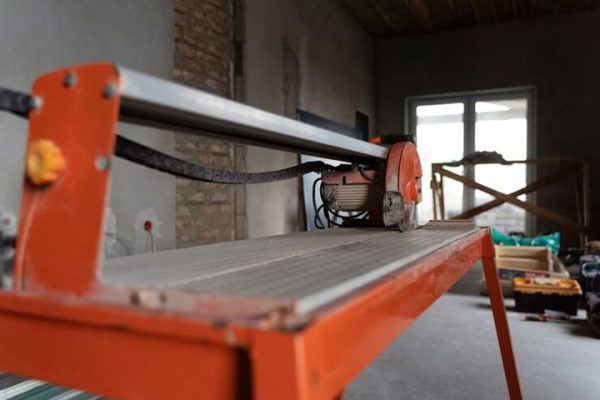
Decision-making becomes easier when focusing on real needs instead of product labels. Heavy tools, long hours, and constant use point toward a stronger solution.
Lighter tasks, occasional use, or limited space make work tables a practical option. Many buyers regret underestimating future workload. Upgrading later often costs more than getting it right the first time. A heavy-duty workbench often proves to be a safer long-term investment when there is any doubt.
Conclusion
Industrial workbenches are strong, durable and reliable in the long run. Work tables are simple, flexible and less expensive in upfront purchasing. They can both be used, and only one will help to endure the challenging working conditions.
Being able to comprehend what was done daily will result in fewer regrets and better decisions. Workshop Workbench is a reliable and high-performance solution that is designed to last as a serious workspace option.
FAQs
1. What is an industrial workbench used for?
An industrial workbench is used for heavy-duty tasks such as machining, repairs, and assembly, where strength and stability are essential.
2. Are work tables suitable for heavy tools?
Work tables are not ideal for heavy tools. They are better suited for light-duty tasks and temporary setups.
3. Why choose a heavy-duty workbench over regular work tables?
A heavy-duty workbench offers better durability, higher load capacity, and improved stability for demanding work environments.
4. Can I use work tables in a professional workshop?
Yes, but only for light tasks. For intensive or continuous work, an industrial workbench is the better option.