


Uncategorised
Adjustable Height Workbenches: Benefits for Modern Workspaces

Apr
Back pain shows up quietly. One day, everything feels fine; the next day, even a simple task feels heavy. That’s where an adjustable height workbench starts making real sense. Workspaces are changing fast, and fixed tables just don’t keep up anymore. This blog breaks down why flexible benches matter, how they improve daily work, and what to actually look for before buying one.
Why Workbenches Needed an Upgrade
Traditional benches were built for one height, one style, one person. That worked years ago. Not anymore. Teams are mixed. Tasks vary. Bodies move.
According to a report of ergonomics studies, long periods of staying in a fixed position make one tired and decrease productivity. That may seem like a no-brainer, but it hurts more in the workshops when the hours are long. A variable configuration is a solution to an easy problem. It also enables the workspace to be flexible for the worker, rather than the other way round.
Key Benefits of Adjustable Height Workbenches
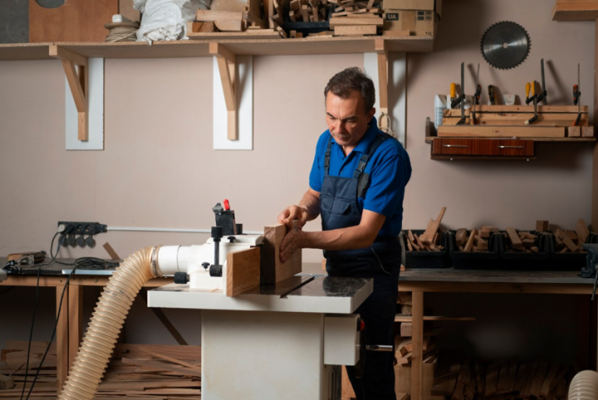
A flexible bench does more than move up and down. It changes how work feels.
- Better Ergonomics, Less Strain
Standing sometimes, sitting sometimes. That balance matters. A standing workbench reduces pressure on the lower back and keeps circulation active. Less stiffness. Fewer breaks are needed.
- Improved Productivity
Quick height changes mean no time wasted adjusting posture awkwardly. Work flows better. Small gain, but noticeable over long hours.
- Multi-User Friendly
Workshops often share equipment. One bench, many users. A height-adjustable system fits everyone without compromise.
- Adaptable for Different Tasks
Fine detail work needs precision and closer positioning. Heavy-duty tasks need stability and space. A modular workbench often supports both add-ons and adjustable frames.
What Makes a Workbench Truly Modern?
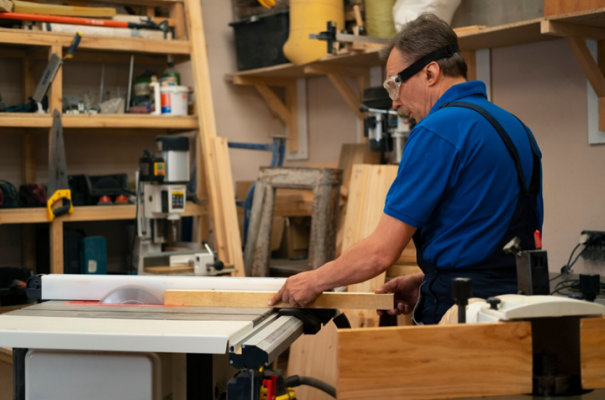
Not every adjustable bench is built the same. Some look good but feel weak after a few months.
Here’s what actually matters:
- Smooth height adjustment: Manual crank or electric lift, both work. It just needs to be consistent and easy.
- Solid frame stability: No wobble. Even at full height.
- Weight capacity: Tools get heavy. A good bench handles it without stress.
- Modular add-ons: Shelves, drawers, tool panels. A modular workbench grows with your needs.
- Durable surface: Wood, steel, or composite. Depends on the type of work, but it should last.
Real Use Case: Small Workshop Shift
A small repair workshop in Pune switched from fixed benches to adjustable ones. Not a huge change, just replacing three tables. Within a month:
- Workers reported less fatigue
- Output increased slightly, about 12 per cent
- Fewer complaints about discomfort
Nothing dramatic. Just steady improvement. That’s usually how good design works. Quiet but effective.
Choosing Between Sitting and Standing Workbenches
The debate isn’t really about choosing one. It’s about using both.
- Sitting works better for precision tasks
- Standing suits heavier, repetitive work
A standing workbench with adjustable height gives both options without switching stations.
Quick Setup Tips for Best Results
One thing is to get the bench, but it is a different thing to use it in the right way. Elbows need to be positioned as near to a 90-degree angle as possible; this will ensure that the body is relaxed rather than strained. Tools must remain within easy reach; it is little expenses becoming a constant burden without one noticing. One should not remain in the same posture too long. Changing the posture after 30 to 60 minutes will aid the body in rebalancing and maintaining energy levels. Remaining in a single posture all day gradually causes pain, although it may not seem apparent at first. Such little changes are not so much, but in the long run, they do bring a tangible difference in the way work is experienced.
Conclusion
Workspaces are no longer static. They move, shift, adapt. An adjustable height workbench is not just a trend. It’s a practical upgrade that improves comfort, efficiency, and long-term health. A standing workbench helps reduce strain, while a modular workbench adds flexibility that modern work demands. Choosing the right setup pays off slowly but surely. Workshop Workbench continues to shape solutions that match real-world needs without overcomplicating things.
FAQs
1. What is an adjustable height workbench used for?
An adjustable height workbench is used to switch between sitting and standing positions, improving comfort and reducing strain during long work hours.
2. Is a standing workbench better than a sitting bench?
A standing workbench is better for reducing fatigue and improving posture, but the best option is one that allows both sitting and standing.
3. What is a modular workbench?
A modular workbench includes customizable parts like shelves, drawers, and tool panels, making it flexible for different tasks.
4. How do I choose the right adjustable height workbench?
Look for stability, smooth adjustment, strong weight capacity, and modular features that fit your workflow.