


Uncategorised
Modular Workbench Configurations for Industrial Workspaces

Dec
Manufacturing facility, and all that you see are the benches; they tell everything about a work crew. A modular workbench is not just furniture when layouts become tight and tasks turn swift, but rather it becomes part of the work process. That is why most engineers, technicians, and workshop managers are trending towards flexible and add-on-friendly stations that can expand with their requirements. In this blog, we break down how a strong, reliable professional workbench with modular configurations can help industries stay organized, reduce downtime, and build a cleaner, safer space without overcomplicating the setup.
Why Modular Configurations Matter in Industrial Workspaces
Loads, daily wear and tear, and change characterize the industrial range. The modular workbench allows the teams to be able to expand, move, and adapt freely without having to change the entire workbench. Liked a heavy-duty workbench, you have one that will serve you for years, and will work in hard employment, and will accommodate rapid changes in the operations.
Think of environments like electronics assembly, automotive repair, and fabrication units, where teams often reconfigure tools or widen stations. The right modular setup cuts downtime, keeps work moving, and prevents clutter from slowing down tasks.
Flexible Layouts for Dynamic Tasks
A strong modular workstation will allow you to add shelves, lighting panels, tool rails, cabinets, and ESD accessories without the need to completely restructure the entire station. Such portability transforms a customized workstation into an individual workstation.
Common upgrades include:
- Overhead storage frames
- Adjustable shelving
- Drawer units under or beside the surface
- Power rails and tool rails
Everything fits clean, tight, and stable, ideal for fast-paced industries.
Real-World Example: A Small Automotive Unit Boosts Output

A 12-bay automotive shop recently switched from fixed tables to a modular workbench system. Their old setup slowed mechanics because tools were scattered after shifting to upgradedprofessional workbench systems with integrated drawers and pegboards; repair time dropped by almost 22%. Workers said the best part was reorganize it was to reorganize when new equipment arrived.
Small adjustments, huge gains. This is a modular design at work.
Optimizing Workflow with Smart Add-Ons
Storage That Adapts as You Grow
Industrial teams often expand or bring in new tools. A modular workbench lets you add more storage instantly. When combined with a rugged professional workbench, workers avoid cluttered surfaces, making tasks safer and faster.
ESD & Safety Enhancements
Electronics, lab work, and precision assembly benefit from ESD tops or anti-static add-ons. This keeps a professional workbench compliant and safe, especially in regulated industries.
How to Choose the Right Modular Setup
To pick the best modular workbench, check:
- Load capacity
- Workspace size
- Storage needs
- Material (laminate, steel, hardwood)
- Add-on compatibility
Frequency of layout changes
If your environment shifts often, start with a professional workbench frame and build upward with adjustable components. It’s cost-effective and lasts longer.
Key Advantages of Using Modular and Professional Workbenches
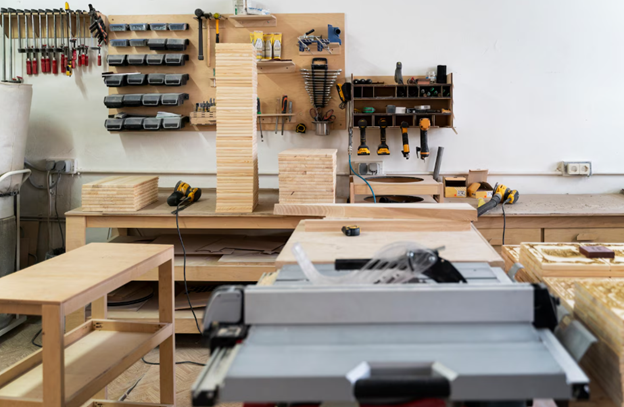
- A modular workbench grows with your workflow.
- A strong professional workbench base improves durability.
- Smart accessories lead to faster, safer work.
- Modular systems reduce long-term upgrade costs.
Conclusion
Industrial workspaces need equipment that works as hard as the team behind it. A modular workbench backed by a durable professional workbench can completely reshape productivity, safety, and space efficiency. Whether you’re upgrading a single bay or an entire production floor, modular setups keep your workspace ready for whatever comes next. Looking to build a flexible, high-performance setup for your workshop? Explore the full range at Workshop Workbench.
FAQs
1. What is the main benefit of a modular workbench?
A modular workbench lets you change or expand your setup without replacing the whole station.
2. Can modular components fit on any professional workbench?
Most accessories work when paired with a compatible professional workbench frame.
3. Are modular workbenches good for heavy-duty industrial use?
Yes. A sturdy professional workbench base ensures stability under high loads.
4. Do modular workbenches help with workspace organization?
Absolutely. A modular workbench supports drawers, panels, and rails to keep everything tidy.