


Uncategorised
Mobile Workbench Benefits: Is a Workbench on Wheels Worth It?

May
A messy workshop costs more time than most people notice. One mechanic walks back and forth for tools all day. Another keeps shifting heavy equipment just to clear space. Those small delays slowly eat into productivity. That is one reason the mobile work bench has become a practical choice in modern workshops across the UK.
Mobility changes workflow in a surprisingly simple way. A movable bench keeps tools close, clears floor space faster and helps workers stay focused on the task instead of constantly adjusting the workspace. This blog explains where a workbench on wheels works best, its real advantages and whether it is worth buying for daily workshop use.
Why More Workshops Are Choosing Mobile Benches
Workshop layouts have changed over the last few years. Smaller commercial units, shared garages and flexible workspaces are now far more common than before. Fixed benches still matter for some heavy-duty jobs, but many workshop owners now prefer equipment that adapts quickly.
A movable setup makes daily work smoother. Instead of dragging materials across the room, the workstation comes directly to the task. That saves effort and cuts unnecessary movement during long shifts.
Many automotive and fabrication workshops now use rolling benches because the workflow feels less restricted. Tight areas suddenly become easier to manage.
The Biggest Advantage Is Flexibility
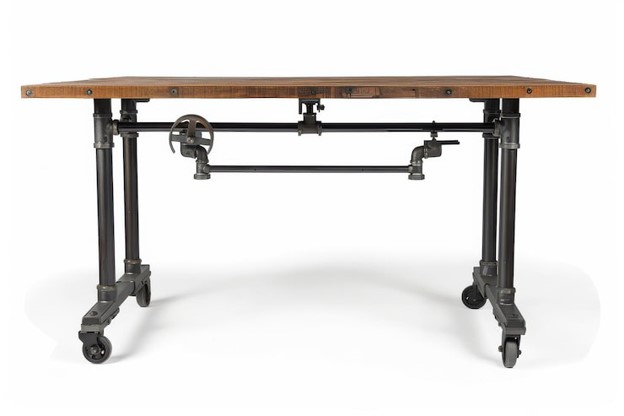
A fixed bench stays in one place forever. A workbench on wheels changes position whenever needed. That sounds basic, though in practice it improves workshop efficiency more than people expect.
One corner of a garage can become a repair station in the morning and an assembly area later the same day. Some workshops even roll benches outside for temporary cutting or packing tasks.
This flexibility works especially well for:
- automotive workshops
- woodworking spaces
- electronics and repair stations
Space matters in every workshop. A movable bench helps us use it better.
Mobility Helps Reduce Wasted Time
Workers lose time through repetition. Walking for tools, moving parts manually, or clearing clutter may not seem serious individually, but repeated interruptions slow everything down.
A mobile work bench keeps equipment nearby. That improves workflow naturally without requiring major layout changes.
An independent garage in Birmingham reportedly switched to rolling benches during a workshop redesign. Mechanics found it easier to move tools between service bays, especially during busy hours. Productivity improvements were gradual, though noticeable after several months. Real-world gains often come from simple adjustments like this rather than expensive upgrades.
Are Workbenches on Wheels Stable Enough?
This is usually the first concern buyer’s mention. Older mobile benches sometimes lacked strength, especially cheaper models with weak caster wheels. Modern industrial versions are very different. Heavy-duty steel frames and lockable castors now provide solid stability for everyday workshop tasks.
Quality matters a lot here. Poor wheels create movement during cutting or drilling. Good locking systems solve most of those issues immediately.
Reliable benches often include:
- reinforced steel construction
- lockable industrial castors
- hardwood or steel worktops
Heavy-duty mobile units can comfortably handle demanding commercial work when built properly.
Cleaning and Workshop Safety Become Easier
Dust and debris build up quickly under fixed furniture. Cleaning around permanent benches becomes frustrating after a while, especially in workshops handling wood, metal, or automotive repairs.
A movable bench allows workers to clear hidden dirt much faster. Cleaner floors improve safety and reduce slipping risks from oil, sawdust, or loose materials. That may sound like a small detail, but safer workshops usually operate more smoothly overall.
When a Fixed Bench Still Makes More Sense

Not every task needs mobility. Heavy fabrication work, permanent welding stations, or industrial machinery setups often require fixed installations for maximum strength and safety. A rolling bench cannot fully replace those environments.
Still, most repair shops, garages and multi-purpose workshops benefit from added flexibility. The choice depends on daily workflow rather than trends.
A mobile work bench works best when tasks constantly change locations throughout the day.
Common Buying Mistakes
Many buyers focus only on tabletop size and forget the importance of wheel quality. Weak castors wear out quickly and create instability under load.
Oversized benches also cause problems in smaller workshops. Mobility disappears once the unit barely fits through working areas.
Checking frame strength, wheel locks and dimensions before buying usually prevents expensive mistakes later.
Is a Workbench on Wheels Worth It?
The biggest benefit is not speed alone. It is convenience, smoother workflow, cleaner organisation and better use of limited floor space. Over time, those small advantages improve productivity more than expected.
A high-quality workshop workbench on wheels may cost more initially, though the long-term value often justifies the investment for active workshops and garages.
Reliable mobility, strong construction and adaptable layouts are now becoming standard expectations in modern work environments.
Conclusion
A mobile work bench offers more than convenience. It helps workshops stay flexible, organised and easier to manage during busy working days. Modern rolling benches are far stronger than older designs, making them suitable for many commercial and industrial environments.
Fixed benches still have their place for heavy permanent tasks, though mobile systems continue growing in popularity because they simply make daily work easier. Businesses searching for durable workshop solutions often choose Workshop Workbench for dependable and practical workstation designs.
FAQs
What is a mobile work bench used for?
A mobile work bench is used for flexible workshop tasks where tools and materials need to move easily between different work areas.
Is a workbench on wheels stable enough for heavy work?
Yes. Industrial-grade models with lockable castors and reinforced frames provide strong stability for daily workshop use.
Are mobile workbenches suitable for small garages?
Yes. A movable bench helps maximize floor space and makes compact workshops easier to organize.
How do I choose the right workbench on wheels?
Focus on frame quality, wheel strength, locking systems, worktop material, and overall size before purchasing.