


Uncategorised
ESD Workbench Explained: Why It’s Essential for Electronics and Lab Work
May
One small static shock can quietly destroy a sensitive circuit board. Most people never even notice it happening. A technician touches a component, the charge transfers in a split second and the damage is done. Electronics companies lose thousands every year because of this exact issue.
That is why an esd workbench has become a standard requirement in electronics assembly, testing areas and research labs.
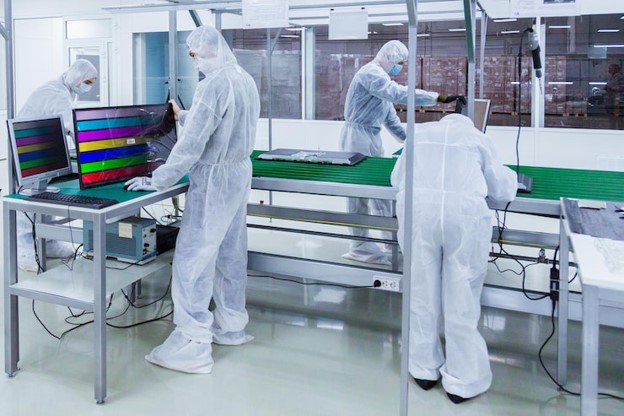
Modern devices are packed with tiny components that react badly to static electricity. Medical systems, automotive electronics, telecom equipment and laboratory instruments all need safe handling conditions. A normal table is not enough anymore. An ESD-safe workstation creates a controlled space where static charges are reduced before they can damage expensive equipment.
This blog explains how ESD workbenches work, why industries rely on them and what makes a good workstation setup.
What Is an ESD Workbench?
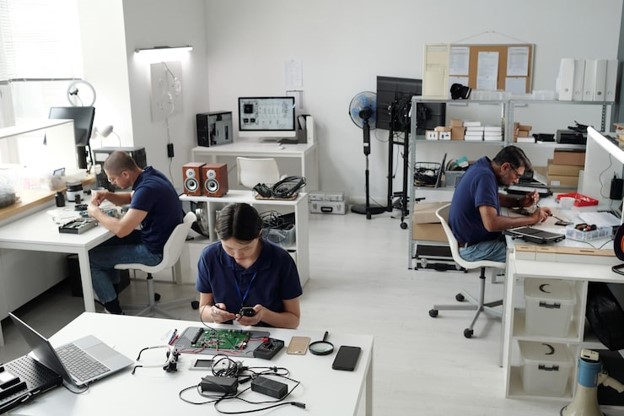
An esd workbench is a specially designed workstation that prevents electrostatic discharge. Static electricity builds naturally from movement, clothing, packaging and dry air. Without grounding protection, that stored energy can transfer directly into electronic parts.
An ESD-safe bench controls the discharge safely through grounded materials and protective surfaces.
Most setups include grounded frames, anti-static surfaces, wrist straps and conductive accessories. Many modern systems also include storage units, lighting, monitor mounts and ergonomic height adjustment features.
A proper electronics workbench is designed not just for safety, but for smoother daily workflow too.
Why Static Electricity Causes Serious Problems
Static damage is often invisible. Sometimes a component fails immediately. Other times, the damage weakens the device slowly until failure happens weeks later. That delayed damage creates major quality control problems for manufacturers and repair facilities.
According to industry reports from the EOS/ESD Association, electrostatic discharge costs the electronics industry billions every year. Sensitive microchips can fail from extremely low voltage levels, far below what humans can physically feel.
That part surprises many workshop owners.
A workspace may look clean and organised while hidden static continues damaging components in the background.
Industries That Depend on ESD-Safe Workstations
ESD protection is now common across many technical sectors because electronic systems are becoming smaller and more sensitive every year.
- Electronics manufacturing facilities use ESD benches during assembly and repair work.
- Laboratories rely on grounded workstations to protect testing instruments and precision devices.
- Aerospace and automotive companies use ESD-safe stations while handling advanced control systems.
Medical device production also depends heavily on static-controlled environments. A damaged component inside healthcare equipment is not a small issue.
What Makes a Good Electronics Workbench?
Not every workstation offers proper static protection. Real ESD performance depends on design quality and grounding reliability.
A strong electronics workbench usually includes durable steel construction, dissipative surfaces, grounding points and ergonomic support. Adjustable height systems are becoming more common because technicians spend long hours working at the bench.
Comfort matters more than people expect. Poor posture slows work down over time.
Storage design also plays a role. Drawers, shelves and organised cable routing help reduce clutter around sensitive equipment.
ESD Workbenches in Laboratory Environments

A modern lab bench does far more than hold tools and instruments. Research spaces now handle advanced electronic testing systems, monitoring devices and sensitive sensors that require stable working conditions.
Static control helps improve accuracy and equipment reliability inside laboratories.
Chemical resistance is another important feature. Some lab environments need surfaces that can handle cleaning agents and light chemical exposure without damage. Industrial-grade benches are built with that in mind.
A poorly designed workstation becomes frustrating very quickly in busy technical environments. Small workflow problems grow into larger delays over time.
A Real Example from a Repair Workshop
One UK electronics repair company experienced repeated motherboard failures during quality testing. Staff first blamed supplier defects. Later, an internal inspection revealed that static electricity inside the workshop was damaging components during handling.
The company upgraded to ESD-safe workstations with grounding systems and anti-static accessories. Failure rates dropped noticeably within a few months.
That situation is not unusual. Static problems are often misdiagnosed because the damage cannot always be seen immediately.
Maintenance Still Matters
Even a high-quality lab bench or ESD workstation needs regular inspection. Grounding cables, mats and wrist straps wear down over time. Dust buildup and damaged surfaces can also reduce performance.
- Surface resistance testing should be checked regularly.
- Grounding connections must stay clean and secure.
- Damaged anti-static mats should be replaced quickly.
Simple monthly checks usually prevent larger problems later.
Conclusion
Static electricity may seem harmless, but it creates expensive problems in electronics and laboratory environments. An esd workbench protects sensitive equipment, improves workspace organisation and supports safer daily operations. Businesses handling delicate electronic systems cannot rely on standard tables anymore.
Reliable workstation design has become part of modern quality control. From production lines to research spaces, the right setup helps teams work more safely and efficiently. Workshop Workbench continues to provide durable industrial workstations built for demanding electronics and lab environments.
FAQs
What is an ESD workbench used for?
An esd workbench is used to prevent electrostatic discharge while handling sensitive electronic components during assembly, testing, or repair work.
Why is an electronics workbench important?
An electronics workbench creates a safer and more organised environment for technicians working with delicate electrical systems and tools.
Can a regular lab bench prevent static electricity?
No. A standard lab bench usually does not include grounding systems or anti-static surfaces needed for ESD protection.
How often should ESD workstations be inspected?
Most companies inspect ESD grounding systems and anti-static accessories every month to maintain safe working conditions.