


Uncategorised
Metal Work Bench for Heavy Industrial Work

Feb
High-pressure situations mandate heavy industrial equipment that is stable and unreliable. A metal work bench is an essential component of the workshop, factories and production floors where the look is not as important as the strength, stability and durability. These benches can be used in rigorous exercise like fabrication, assembly, maintenance and inspection. This blog describes the principle of using metal benches to aid heavy industrial work, the design aspects most crucial and the way to select a bench that meets the requirements of the operation. The data is factual, straightforward and in line with the way industrial purchasers review working rooms equipment.
Purpose of Metal Work Benches in Industrial Settings
The work sections in industries are fixed. The bench forms the foundation of the tools, components and equipment that are utilised on a daily basis. A well-structured industrial workbench will be used to ensure accuracy, movement and safe working practices.
In the heavy use environments, metal construction is favoured since it is impact-resistant, vibration-resistant and long-term wear-resistant. The steel frames ensure that these structures are straight despite the high load or repetition. This stability is vital in processes that need accuracy and consistency between shifts. Workbenches in industrial plants are not ornamental items. They are practical units that aid productivity, consistency of workflow and operator efficiency.
Structural Strength and Load Performance
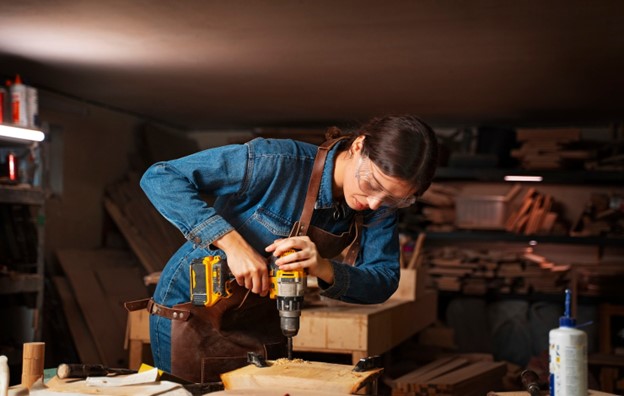
The defining feature of a heavy-use bench is its ability to carry weight without distortion. A heavy duty workbench is engineered to support tools, machinery and materials that would overwhelm standard furniture.
Key structural characteristics include:
- Welded or reinforced steel frames
- High static and dynamic load ratings
- Braced legs to prevent lateral movement
These features allow the bench to remain stable during cutting, assembly or mechanical work. Load ratings should always match or exceed the expected working conditions to avoid long-term fatigue or failure.
Work Surface Materials and Durability
The worktop is the most used part of any bench. In industrial environments, surface selection affects both performance and maintenance. Metal, laminate, hardwood and composite surfaces are chosen based on task requirements.
Common surface considerations include:
- Resistance to impact, heat and chemicals
- Ease of cleaning and inspection
- Compatibility with tools and fixtures
For heavy industrial tasks, metal or reinforced surfaces are often selected for their durability and low maintenance needs.
Configuration and Workspace Integration
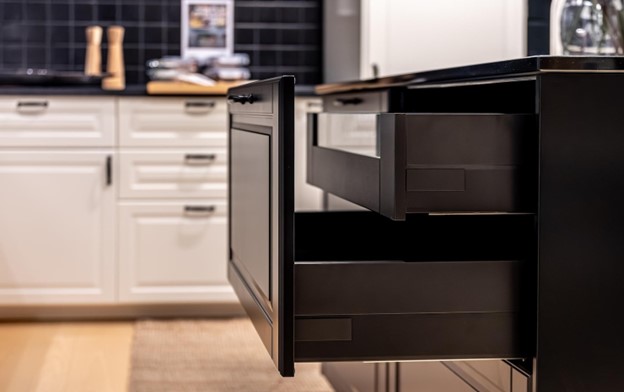
Industrial benches are rarely standalone items. They are part of a larger workflow that includes storage, lighting and power access. Modular designs allow benches to adapt as processes change without replacing the entire unit.
Typical configuration options include:
- Integrated drawers or cabinets
- Overhead shelves or lighting frames
- Power sockets mounted to the bench structure
These features help reduce wasted movement and keep essential tools within reach, supporting efficient task execution.
Ergonomics and Operator Safety
Even in heavy industrial work, ergonomics plays a practical role. Correct bench height, clear legroom and organised layouts reduce strain during repetitive tasks. This helps operators maintain consistent output and reduces fatigue-related errors.
From a safety perspective, stable metal benches minimise tipping risks and support controlled tool use. Over time, this contributes to fewer disruptions and more predictable operations.
Choosing the Right Bench for Heavy Industrial Work
The process of choosing the right bench begins with the ability to identify the task environment. The fabrication, maintenance and assembly of fabricated items impose various requirements on the design of the structure and surface. It should take into account floor space, load requirements and future expansion. Bench systems that are in standard forms are flexible but uniform across departments. This will ease the layout planning and long-term upgrades.
Conclusion
A metal work bench designed for heavy industrial use provides strength, stability and reliability where it matters most. When structural integrity, surface durability and configuration are aligned with real operational needs, workstations perform better and last longer. For industrial-grade solutions built to handle demanding environments, explore the range available from Workshop Workbench.
FAQs
1. What makes a metal work bench suitable for heavy industrial work?
Its steel construction, high load capacity, and resistance to impact and vibration make it suitable for demanding tasks.
2. How does a heavy duty workbench improve productivity?
It provides a stable platform that supports precision, reduces rework, and keeps tools organised.
3. Can an industrial workbench be customised?
Yes. Many systems allow modular storage, lighting, and power options to match specific workflows.
4. What industries commonly use metal work benches?
Manufacturing, fabrication, maintenance, and assembly environments frequently rely on them