


Uncategorised
Adjustable Height Workbench for Industrial and Workshop Use

Feb
The adjustable height workbench is shaped so as to meet the diverse activities in an industry floor and workshop setting, whereby flexibility is of importance. Unadjustable benches tend to reduce efficiency, particularly where work, workers or machines are altered. Adjustable systems enable workstations to be changed without necessarily having to redesign the whole working space. This blog describes the benefits of height-adjustable benches in terms of workflow, safety and durability. It also describes some important design factors, usage and selection criteria that are often used by professional purchasers who deal with industrial or workshop tasks.
Why Adjustable Height Matters in Industrial Settings
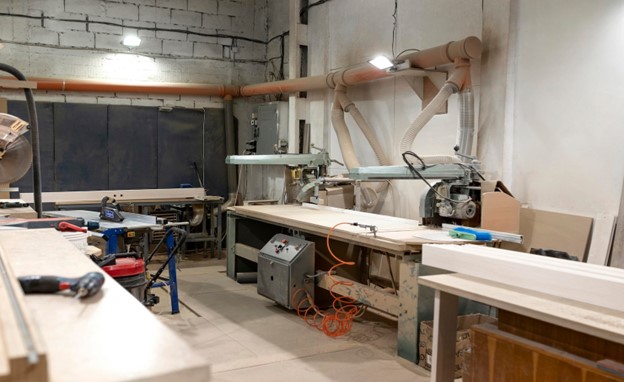
Industrial environments involve multiple operators, repeated tasks and varied equipment sizes. A fixed surface height can create strain, slow down work or limit task accuracy. Height-adjustable benches allow teams to set the working level to match the task rather than forcing operators to adapt.
A single industrial workbench could be of use, especially in assembly, examination and a packaging facility. The possibility to adjust the height gives the opportunity for one station to have several functions during the day. This enhances efficiency in reach and minimises the requirements for duplication setups.
Height adjustment also contributes to adherence to the ergonomics rules of the workplace, which is gaining significance in regulated workplaces.
Adjustment Mechanisms and Control Options
Adjustable benches are available with different height control systems. The choice depends on the frequency of adjustment, load requirements and budget.
Common adjustment types include:
- Manual crank systems for occasional changes
- Electric motorised systems for frequent adjustments
- Hydraulic or mechanical lift designs for heavy loads
Each system offers different benefits in terms of speed, precision and maintenance. For industrial use, stability during adjustment is as important as the adjustment range itself.
Structural Design and Load Capacity
Height adjustability should not compromise strength. Industrial-grade frames are built to remain rigid across the full height range. Steel construction and reinforced leg assemblies ensure the bench stays stable under load.
Important structural considerations include:
- Load rating at minimum and maximum height
- Frame rigidity during movement
- Long-term wear on lifting components
For heavier applications, benches should be tested and rated for continuous use under realistic working conditions.
Applications in Workshops and Production Areas
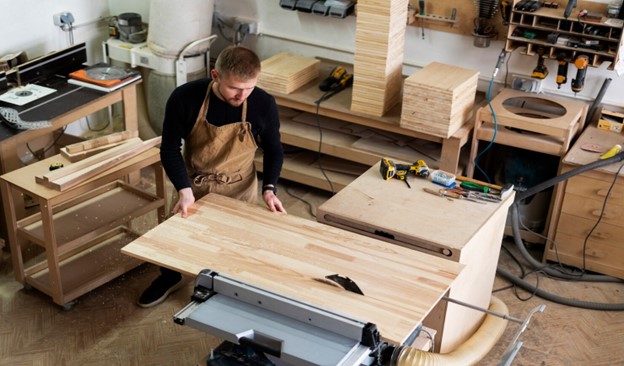 In workshop environments, tasks often vary more than on fixed production lines. A single workshop workbench may support mechanical repair, tool setup or component testing. Adjustable height allows technicians to work comfortably across different job types without repositioning equipment.
In production areas, adjustable benches support:
- Assembly tasks requiring precision
- Inspection work that benefits from eye-level positioning
- Packing and handling operations with varied item sizes
This flexibility reduces downtime and supports consistent output.
Ergonomics, Safety and Productivity
Adjustable height instantly affects operator comfort. When workers can set the bench to the correct level, they maintain better posture and lessen unnecessary bending or reaching. Over time, this supports consistent productivity and fewer fatigue-related errors.
From a safety standpoint, stable height-adjustable benches help control tool handling and material placement. Clear working zones and correct surface height improve task control, especially in repetitive operations.
Selecting the Right Adjustable Bench
Choosing the right bench begins with understanding how frequently adjustments will be made and what loads the bench must support. Space constraints, power availability and future growth should also be evaluated. Standardised systems offer an easier combination across departments. Modular accessories such as storage, lighting or power railings can be added as needs change without exchanging the bench itself.
Conclusion
Adjustable height workbenches offer adaptability, ergonomic comfort and economical advantage to the industrial and workshop environment. They facilitate effective and safe workflows when designed in accordance with adequate load capacity, stable adjustment systems and convenient design. To find good height-adjustable solutions as an investment made to last longer as a professional, consider the offerings of Workshop Workbench.
FAQs
1. What is the main benefit of an adjustable height workbench?
It allows operators to set the working height to suit the task, improving comfort and efficiency.
2. Are adjustable benches suitable for heavy industrial use?
Yes, when designed with reinforced frames and appropriate load ratings.
3. How often can the height be adjusted safely?
This depends on the adjustment system. Motorised and hydraulic systems are designed for frequent changes.
4. Can adjustable benches be customised with accessories?
Most systems support add-ons such as storage, lighting, and power modules for task-specific setups.