


Uncategorised
How Work Tables Improve Productivity in Factories
Apr
Factory downtime eats into profits faster than most teams realise. A few seconds lost per task turns into hours by the end of the week. One detail often ignored sits right at the centre of the workflow, the work tables workers rely on every day.
This blog breaks down how the right setup improves speed, safety, and consistency on the factory floor. No fluff, just practical insights that actually make a difference.
Why Work Tables Play a Bigger Role Than Expected
Movement can often be the key to efficiency in manufacturing. The fewer seconds it takes to reach, bend or search, the quicker things are accomplished. This concept forms the core of the Toyota Production System, in which minimising the amount of wasted motion positively impacts production.
Poorly designed setups create friction. Workers slow down without even noticing it. Over time, that small friction becomes a real productivity problem.
How Work Tables Improve Workflow
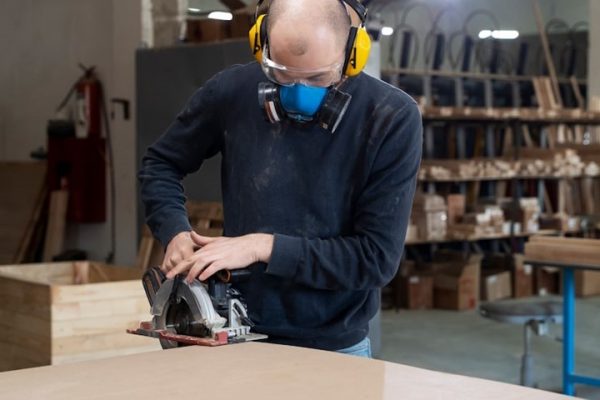
A well-placed industrial workbench supports the natural flow of tasks. Workers don’t need to adjust their movements constantly. Tools stay within reach, materials are positioned logically, and the work feels smoother.
Factories that optimise their layouts often notice something interesting. Work doesn’t feel rushed, yet more gets done.
Reduced Fatigue and Better Output
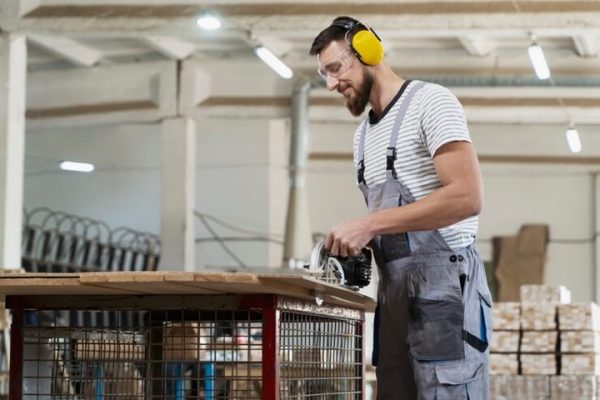
Physical strain is one of those issues people ignore until it becomes obvious. Long hours at the wrong height or angle led to fatigue, slower reactions, and more mistakes.
Ergonomic factory work benches help maintain a comfortable posture. Workers stay focused longer. Energy levels don’t drop as quickly.
That alone can improve consistency across shifts.
Clear Organisation Drives Speed
Messy workstations slow everything down. Even a few seconds spent searching for tools adds up across hundreds of tasks.
A structured setup changes that completely:
- Tools stay in fixed positions
- Materials are easy to access
- Tasks move from one step to the next without interruption
- Workers spend more time doing, less time looking
That shift feels small, but it builds real momentum across the entire production line.
Safety Improvements That Save Time
Safety and productivity are closely connected. Small accidents, slips, or misplaced tools interrupt work and cause delays.
Stable, heavy-duty work tables reduce these risks. Proper surfaces and strong materials keep everything secure during use. Workers feel more confident handling tasks, especially in fast-paced environments. Fewer interruptions mean smoother operations overall.
A Real Example from the Factory Floor
A UK-based manufacturing unit upgraded its old setups to adjustable factory work benches. No major equipment changes, just better tables.
Results showed up quickly. Output improved, worker complaints dropped, and tasks were completed faster. The improvement came from better movement and less strain, not from working harder.
Choosing the Right Work Tables
The choice of the appropriate table is not a difficult task, and it is necessary to pay attention to the details. The lack of correspondence between the task and the table results in long-term inefficiency.
- Choose a load capacity based on daily tasks
- Look for adjustable height options when possible
- Pick durable materials that handle wear and tear
- Consider built-in storage for better organisation
Getting these basics right avoids constant adjustments later.
Conclusion
Work tables don’t usually get much attention during upgrades. Machines and automation take priority. Still, the foundation of productivity often starts with simple improvements.
Enhanced work tables ensure easier workflow, alleviate fatigue and enhance safety without a significant investment. With time, such small profits accumulate to significant outcomes.
This is usually the first place where businesses that want to work on efficiency in a pragmatic approach can begin, and companies such as Workshop Workbench specialise in the development of solutions that can serve practical needs within a factory.
FAQs
1. How do work tables improve productivity in factories?
They reduce wasted movement, improve organization, and help workers complete tasks faster with fewer errors.
2. What makes factory work benches different from regular work tables?
Factory work benches are built for heavy-duty use, with stronger materials and higher load capacity for industrial tasks.
3. Are industrial workbench setups important for worker comfort?
Yes, they help maintain proper posture, reduce fatigue, and improve long-term efficiency.
4. What should be considered when buying work tables for factories?
Focus on durability, load capacity, ergonomic design, and storage options to match the specific workflow.