


Uncategorised
Best Materials for a Durable Steel Workbench in Industrial Environments
May
Factory equipment rarely gets an easy life. One minute, someone is dropping a gearbox onto the surface. Next minute, oil spreads across the corner while sparks bounce around the workshop floor. Weak benches do not survive long in places like that. A solid steel workbench does.
Many workshop owners learn this the hard way. Cheap benches often look fine during the first few months. Then the frame starts shifting slightly. Welds loosen. Rust appears around joints that nobody noticed before. Small problems turn into expensive replacements faster than expected.
Material quality changes all of that. Good materials hold their shape, stay stable under pressure and keep workshops running without constant repairs. This blog breaks down the best options for industrial environments and why they matter in real working conditions.
Cold-Rolled Steel Gives Better Structural Strength
The frame does most of the hard work. Cold-rolled steel is widely used in industrial bench manufacturing because it stays stronger under repeated pressure than thinner low-grade steel. Heavy engineering workshops often choose reinforced steel tubing because it handles daily impact without twisting or flexing too easily.
Some imported benches use thinner steel to reduce cost. The problem is, lighter frames rarely survive years of industrial use. One maintenance team in Manchester reportedly replaced several benches after weld points cracked within two years. Thicker cold-rolled frames solved the issue almost immediately.
Industrial buyers usually look for three things:
- Strong load capacity
- Resistance to bending
- Long service life
Those basics matter more than flashy add-ons in busy production spaces.
Stainless Steel Handles Moisture and Chemicals Better
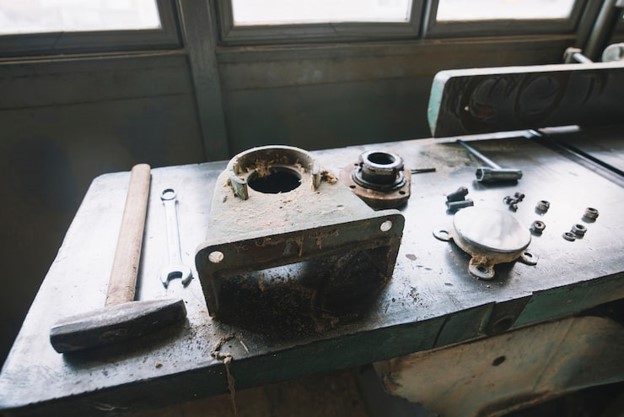
Certain environments need protection from more than heavy tools. Food production plants, laboratories and chemical handling facilities often rely on stainless steel because regular painted steel struggles against moisture exposure over time. Grades like 304 stainless steel resist corrosion far better and are easier to clean.
A durable heavy duty table used around cleaning chemicals or wet processing areas must survive constant wiping, spills and humidity. Rust becomes a serious issue if the wrong material is used.
Stainless steel costs more upfront. Nevertheless, the increased cost is normally offset by long-term longevity since replacement is much rarer. Smoother stainless surfaces also tend to be favored by cleaning crews as dirt and residue do not adhere to edges or corners as easily.
Hardwood Tops Still Work Brilliantly in Engineering Shops
Steel frames provide strength, but the work surface changes how the bench actually feels during daily use.
Hardwood tops remain common in assembly workshops because they absorb shock better than full metal surfaces. Beech and oak are especially popular since both woods stay durable without becoming overly brittle.
Workers handling precision components often prefer timber tops because vibration stays lower during repair work. Metal surfaces sometimes feel too harsh for delicate assembly jobs.
A proper industrial setup often combines:
- Reinforced steel support frames
- Thick hardwood surfaces
- Powder-coated steel legs
That mix creates a bench strong enough for industrial use while still feeling practical during long shifts.
Scratches happen on wood, naturally. Surface marks appear after years of use. Funny thing is, many technicians actually prefer that worn-in look because it shows the bench has been properly used rather than sitting untouched in a showroom.
Steel Worktops Perform Better in Extreme Conditions
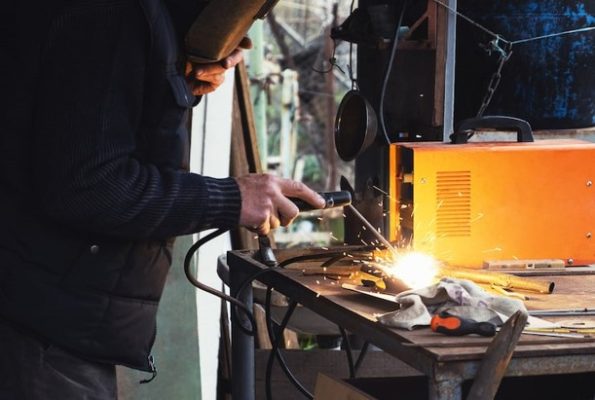
Fabrication workshops are different beasts entirely. Welding sparks, heavy machinery parts and sharp steel edges destroy wooden tops surprisingly fast. Full steel worktops handle those conditions far better because heat and impact damage become much less of a problem.
Galvanised steel surfaces also help reduce corrosion in rough industrial spaces where moisture and metal debris stay constant. One fabrication company in Leeds switched fully to steel-top benches after repeated welding burns ruined traditional wooden surfaces. Repair downtime dropped once the new benches were installed.
A reinforced metal workbench with a steel surface can support extremely heavy loads without losing stability. That reliability matters when expensive machinery parts sit on the bench all day.
Powder Coating Helps Benches Last Longer
Protective finishes often get ignored during the buying process. Basic paint chips quickly in active workshops. Powder coating forms a more resistant layer that is much more resistant to scratches, moisture and daily wear. Numerous industrial-level benches currently employ powder-coated support frames since the finish merely lasts longer.
Cheap coatings usually start peeling earlier than expected. Once that happens, rust follows soon after.
Industrial buyers focused only on pricing sometimes overlook details like coatings or frame thickness. Months later, they end up replacing benches far earlier than planned.
Conclusion
Industrial environments demand stronger materials than ordinary workplaces. Cold-rolled steel provides strong structural support. Stainless steel is more resistant to moisture and chemical exposures. Hardwood tops are more comfortable when doing detailed work, whereas steel surfaces can endure worse fabrication conditions with fewer damages. A reliable steel workbench must be able to remain stable, not wear out and be able to continue its functions well even after years of intense usage. High-quality materials tend to be expensive initially but in the long run they are cheaper due to the less frequent repairs and replacements. Companies throughout the UK are still opting to use Workshop Workbench as a reliable provider of industrial furniture that can withstand tough workshop conditions.
FAQs
What is the strongest material for a steel workbench?
Cold-rolled steel is considered one of the strongest materials for a durable steel workbench because it handles heavy industrial loads without bending easily.
Is a metal workbench suitable for fabrication workshops?
Yes. A reinforced metal workbench with a steel top works well in fabrication areas because it resists sparks, heat, and impact damage.
Why do industrial heavy duty tables use hardwood tops?
Hardwood tops absorb vibration better and provide a more comfortable surface for assembly, repair, and engineering work.
Does powder coating improve workbench durability?
Yes. Powder coating protects industrial benches from scratches, rust, and moisture damage, helping them last longer in demanding environments.