


Uncategorised
How to Maintain and Extend the Life of Your Steel Workbench
Jun
A workbench that looked brand new three years ago is now covered in rust patches, loose bolts, and a worktop surface that wobbles every time you lean on it. Sound familiar? It happens to a lot of workshops. Not because the bench was cheap, but because nobody told them how to look after it properly.
A steel workbench is one of the most worthwhile investments a workshop can make. But even the toughest, most well-built bench will deteriorate faster than it should without basic care. The good news is that maintaining one is not complicated. A bit of routine attention goes a long way.
Why Steel Benches Fail Before Their Time
The biggest culprit is neglect, plain and simple. Moisture sits on the surface after cleaning, and nobody dries it off. Metal shavings get left in the joints. Bolts loosen over months of vibration, and nobody checks them. Over time, small issues stack up into real structural problems.
Steel is tough, but it reacts to its environment. In workshops with poor ventilation or high humidity, corrosion can start in weeks. In garages near coastal areas, it can happen even faster. Understanding what causes deterioration is the first step to preventing it.
Cleaning the Right Way
Wipe the worktop down after every heavy session. It takes two minutes, and it matters more than any other habit.
Use a dry cloth or a lightly dampened one. Avoid soaking the surface with water or leaving cleaning products pooled near joints and fixings. Most spray cleaners work fine on steel worktops, but always dry off completely afterwards. Never use abrasive pads on powder-coated frames since they scratch through the protective layer and open the steel underneath to moisture.
For stubborn grease or oil, a degreaser applied with a cloth and then thoroughly wiped clean does the job well. Don’t let it sit. The longer chemical residue stays on metal, the more chance it has to react with the surface coating.
Rust: Catch It Early or Regret It Later
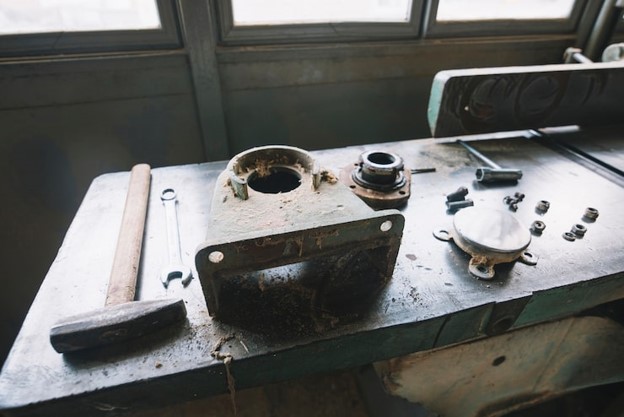
Small rust spots are easy to fix. Large rust patches can compromise the structural strength of a heavy duty workbench, and at that point, the damage is often irreversible without professional help.
When you see a small rust spot forming, act immediately. Lightly sand the area with fine-grit sandpaper until the rust is gone. Clean the bare metal with a dry cloth, then apply a rust-inhibiting primer followed by a touch-up paint that matches the frame finish. It takes twenty minutes, and it protects the bench for years.
Check the underside of the frame and shelf supports too. These areas are often ignored, but they collect moisture, dust, and debris that accelerate corrosion from below.
Keeping the Structure Tight and Safe
Every few months, go over every bolt and fixing point with a spanner. Vibration from regular use works bolts loose gradually. A wobbly bench is not just annoying; it’s a safety issue, especially if you’re using power tools or heavy equipment on the surface.
Check the feet as well. Levelling feet take a lot of pressure, and they can crack, compress, or shift on uneven concrete floors. If the bench rocks at all, adjust or replace the feet before it becomes a bigger problem.
Protecting the Worktop Surface
This is where most of the daily wear happens. A few practical habits make a real difference:
- Use a rubber mat or sacrificial board when cutting, grinding, or doing anything that involves impact or sharp edges directly on the surface.
- Never let coolant, acids, or corrosive chemicals sit on the worktop for long periods, even on stainless steel variants.
For laminate worktops, avoid dragging heavy, rough-bottomed items across the surface since this creates deep scratches that are hard to reverse. MDF and wooden tops benefit from a periodic coat of linseed oil or sealant to keep them from absorbing moisture and swelling.
Smart Storage Habits That Protect the Frame
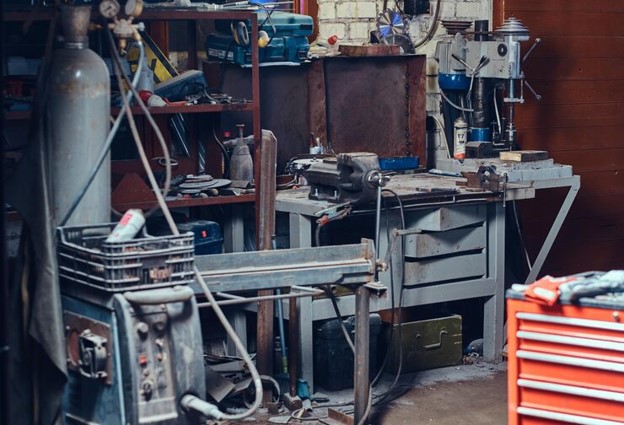
Overloading a bench consistently, even one with a high weight capacity, causes gradual stress on the frame joints. An industrial workbench is built for sustained loads within its rated capacity, not permanent overloading at or beyond that limit. Store heavy items on dedicated shelving where possible and keep the bench clear for active work.
Also, avoid welding directly on the worktop without a protective plate underneath. Heat transfer damages surface coatings and weakens the material directly beneath the weld zone.
Conclusion
A well-maintained workbench does not just last longer; it performs better every single day. The habits that protect it are small, consistent, and genuinely simple. Wipe it down, check the bolts, deal with rust spots immediately, respect the load limits, and protect the worktop surface during heavy tasks. That’s genuinely all it takes to keep a bench in excellent shape for ten, fifteen, even twenty years.
Workshop Workbench builds benches designed to go the distance. Taking care of one properly means getting every penny of value out of it.
FAQs
How often should I oil or treat a steel workbench frame?
Applying a light coat of anti-corrosion oil or wax to bare steel areas every three to six months is a good baseline. In humid or coastal environments, consider doing it more frequently to stay ahead of surface oxidation.
Can I repair a scratched powder-coat finish myself?
Yes. Fine-grit sandpaper, a rust-inhibiting primer, and touch-up spray paint in the matching colour are all you need for minor scratches. Larger areas of damage may need professional respraying to maintain a clean, even finish.
What is the best way to clean a stainless steel worktop without damaging it?
Wipe with a damp microfibre cloth and a mild detergent, always in the direction of the grain. Avoid steel wool or abrasive cleaners since these leave fine scratches that trap moisture and bacteria over time.
How do I know if my workbench frame has been structurally compromised by rust?
If rust has penetrated through the steel wall thickness and the metal flakes or crumbles under light pressure, the structural integrity is compromised. Surface rust that has not eaten through the material can usually be treated and stabilised. When in doubt, consult the manufacturer or a structural assessor.