


Uncategorised
Industrial Workbench vs Heavy Duty Workbench: Which One Do You Really Need?
May
A workbench usually gets ignored until it starts causing trouble. One shaky frame, one cracked surface and suddenly workers lose time fixing problems that should not exist in the first place. Funny thing is, many workshops spend thousands on tools but barely think about the bench holding everything together.
That is where the confusion begins between an industrial workbench and a heavy duty workbench.
Both look strong online. Both claim durability. Yet they are built for different kinds of work and buying the wrong one becomes expensive pretty fast. This blog breaks it down properly without overcomplicating things.
What Actually Counts as an Industrial Workbench?
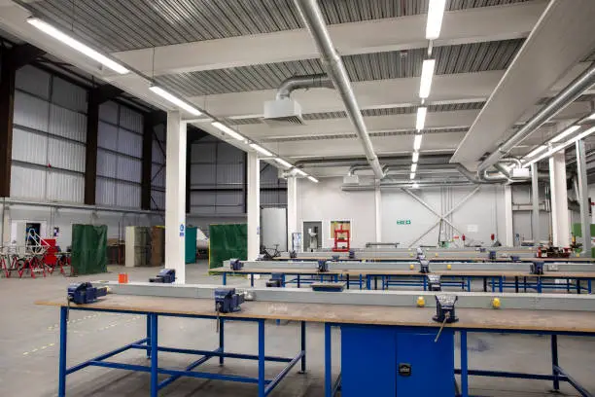
An industrial work benches is designed for regular commercial and workshop use. Nothing flashy about it. Just practical, reliable and built for long working hours.
These benches are common in:
- Assembly areas, repair shops, training centres and packaging stations
- Engineering workshops where organisation matters as much as strength
Most industrial workbenches balance durability with flexibility. Storage drawers, shelving, lighting and adjustable layouts are often part of the setup because workers need tools close by during busy shifts.
A garage repair company in Manchester swapped out old timber benches for steel-framed industrial units last year. The owner mentioned something simple but interesting. Staff stopped wasting time looking for tools because every station finally had proper storage. Productivity improved without adding new equipment.
Small upgrades sometimes fix bigger problems than expected.
What Makes a Heavy Duty Workbench Different?

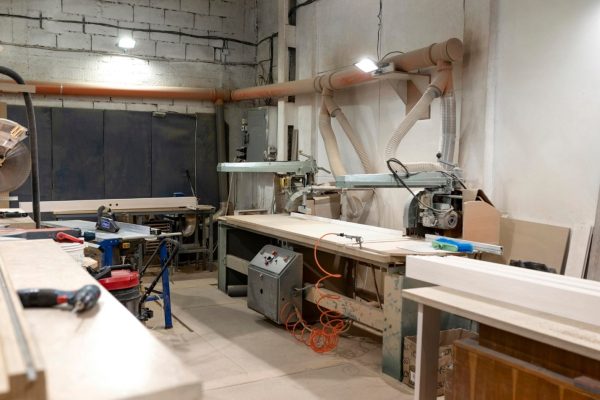
A heavy duty workbench is built for rougher environments where constant pressure, impact and heavy machinery are part of daily work.
These benches usually have thicker steel frames, reinforced joints and stronger tops. Some models hold more than 1000 kg without bending or shifting.
That matters in places where workers regularly deal with:
Rebuilding of the engine, fabrication of metals, welding, or industrial machine repairs. Strong benches do not focus on flexibility and rather on brute strength. Stability is of priority since any movement during grinding or hammering may soon become a safety concern.
Mechanics notice this immediately. A weak bench starts wobbling after months of pressure. Then bolts loosen, surfaces dip slightly and precision work becomes frustrating. Not dramatic maybe, but enough to slow down an entire team.
Main Difference Between the Two
The biggest difference comes down to workload. An industrial workbench supports organised commercial work. Repairs, inspections, electronics, assembly tasks and packaging all fit comfortably here.
A heavy duty workbench handles environments where force and weight never really stop. That sounds obvious, although many buyers still choose based only on appearance or size. Bigger does not always mean stronger. Stronger does not always mean smarter either.
Storage is another difference people overlook. Industrial benches often include shelves, drawers, cable access and adjustable heights because workflow matters. Heavy-duty models usually sacrifice those extras to maximise strength.
Many industrial benches can be moved or reconfigured later. Heavy-duty units are often fixed in place because shifting several hundred kilograms around a workshop is not exactly convenient.
Which One Fits Your Workshop Better?
Many workshops spend money on benches that they do not use to their full capacity. When the task is assembly or repair, electronics, checks, or light engineering, an industrial arrangement is typically more appropriate.
Employees remain tidy, workplaces are adaptable, and desks can cope with daily demands with ease. Powerful systems are required when workshops are exposed to vibration, impact, fabrication of steel or even oversized parts of the machinery day in and day out. Another detail worth mentioning is worker fatigue.
Bench height, storage access and workspace layout affect comfort more than most managers realise. Long shifts become harder when workers constantly bend, stretch, or search for equipment.
Good workshop setups improve workflow quietly. Nobody notices at first. Then suddenly jobs finish faster and fewer mistakes happen.
Materials Matter Too
The frame matters, but the work surface matters just as much. Hardwood tops work well for general repair and assembly jobs. Steel surfaces handle sparks, oil, sharp tools and fabrication work much better over time. Laminate tops fit cleaner environments where impact is less aggressive.
Cheap benches often look solid in product photos. After six months though, thinner frames start flexing and joints loosen under pressure. That usually leads to replacements far sooner than expected.
Factories across the UK have slowly shifted toward modular steel systems because maintenance costs stay lower long-term. Fewer replacements save more money than chasing the cheapest option upfront.
Conclusion
An industrial workbench gives workshops a dependable and organised station for everyday commercial work. The extreme weight, frequent impact and physically demanding industrial work are accommodated by a heavy-duty workbench. What is right is determined by what occurs within the workstation daily and not what appears more challenging on the label of the product.
Reliable benches improve workflow, safety and efficiency in ways most businesses only appreciate after upgrading. Workshop Workbench continues to provide durable workspace solutions designed for real industrial environments across the UK.
FAQs
What is an industrial workbench used for?
An industrial workbench is commonly used for repairs, assembly work, inspections, packaging, and general workshop tasks.
Is a heavy duty workbench stronger than an industrial workbench?
Yes. A heavy duty workbench is designed for higher weight loads, impact-heavy work, and demanding industrial conditions.
Are industrial work benches suitable for garages?
Yes. Many garage workshops use industrial work benches because they offer good storage, durability, and flexibility for daily tasks.
Which workbench lasts longer?
That depends on the workload and material quality. Heavy-duty benches usually last longer in harsh environments, while industrial benches perform well in organised commercial settings.