


Uncategorised
How to Choose the Right Adjustable Height Workbench for Your Workshop Setup
May
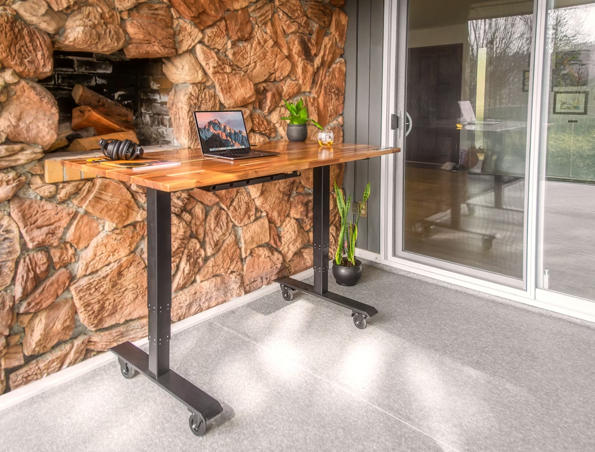
A bad bench usually gets ignored at first. Then the shoulders start hurting. Tools end up scattered everywhere. Small repair jobs somehow drag on longer than they should. That is normally when people start looking for an adjustable height workbench that actually works with the space instead of against it.
Some benches look perfect online and disappoint when the second real work begins. Weak frames. Awkward height settings. Drawers that barely hold anything useful. A proper workshop setup needs more than a decent product photo.
This blog covers what actually matters before buying a new bench for a garage, workshop, factory floor, or trade unit.
Why Adjustable Workbenches Are Becoming Standard

Workshop setups have changed a lot in recent years. One minute someone is wiring components sitting down. Ten minutes later they are cutting material while standing. Fixed-height benches struggle to keep up with that kind of workflow.
The UK Health and Safety Executive has repeatedly linked poor workstation setup to back pain and repetitive strain issues in physical workplaces. That is one reason many workshops now prefer a standing workbench with flexible height control.
A fabrication shop in Manchester switched to adjustable benches during a workspace upgrade last year. Staff noticed less fatigue within weeks. Nothing dramatic. Just fewer aches at the end of long shifts and smoother movement between jobs. Tiny changes can improve a workshop more than expected.
Start With the Type of Work Being Done
Different tasks need different bench setups. A woodworking station usually needs a very different surface from an electronics bench or an engineering workstation. Heavy-duty repair work demands more strength than light assembly jobs.
A few things help narrow the choice down quickly:
- Weight of tools and equipment
- Daily standing hours
- Storage needs
- Number of users sharing the bench
Thicker worktops and reinforced steel frames make more sense for industrial use. Cleaner surfaces and smoother finishes often suit detailed technical work better.
Home garages can sometimes get away with lighter benches. Busy commercial workshops usually cannot.
Height Adjustment Should Feel Easy
This part matters more than people think. Some height systems look good in product listings but become frustrating during actual use.
Manual Adjustment Benches
Hand crank systems are simple and reliable. They suit workshops where the height only changes once or twice during the day. Fewer moving parts usually mean less maintenance too.
Electric Adjustment Benches
Electric adjustment feels faster and smoother, especially in shared workspaces. Teams moving between seated and standing tasks throughout the day tend to benefit most from electric systems.
Several engineering workshops across the UK now use electric benches because they reduce interruptions during production work.
Less stopping. Less fiddling around.
The Worktop Material Matters Every Day
People focus heavily on frames and forget the surface completely. That becomes a mistake pretty quickly.
Common worktop choices include:
- Solid wood for general workshop and woodworking tasks
- Steel surfaces for heavy engineering work
- Laminate tops for packing, assembly and lighter industrial jobs
Steel handles punishment better over time. Wood feels more comfortable during detailed handwork. Laminate stays popular because it is affordable and easy to clean.
No single material works perfectly for every setup. That part depends entirely on the kind of work happening on the bench every day.
Modular Designs Make Future Changes Easier
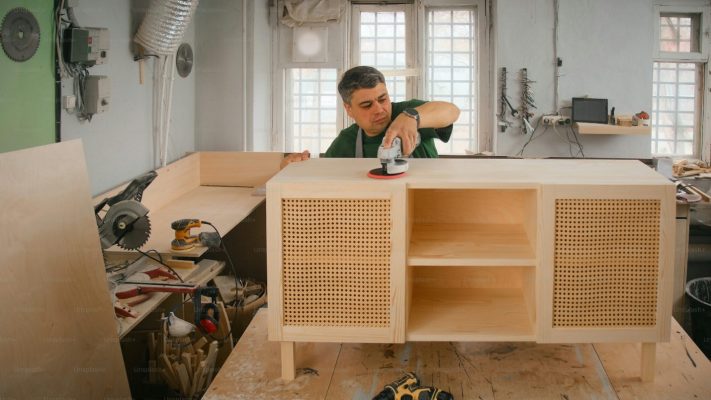
Workshops rarely stay the same forever. New tools arrive. Storage becomes a problem. Machines move around. Suddenly the original setup no longer fits properly. That is where a modular workbench starts making sense.
Extra shelving, drawers, power outlets, lighting and storage units can usually be added later without replacing the whole bench system.
One automotive technician in Leeds upgraded to a modular setup after adding new diagnostic equipment. Cable management improved almost immediately. Floor space opened up too. The workshop simply felt less cluttered afterwards. Small layout improvements often save more time than expensive tools.
Stability Is More Important Than Appearance
A workbench can look brilliant in photos and still perform badly. Movement during cutting, drilling, or assembly becomes irritating very quickly. Stability matters more than appearance in a real workshop.
Good benches usually include:
- Reinforced steel legs
- Strong corner support
- High weight capacity
- Locking castors or fixed feet
Weight ratings deserve careful attention as well. Some benches advertise industrial strength while supporting far less weight than expected.
A sturdy standing workbench improves precision and safety at the same time. Less wobble usually means cleaner work.
Measure the Space Properly Before Ordering
This gets overlooked constantly. People buy based on online images and forget to check the actual workshop spacing. Then the bench arrives and blocks half the room.
Enough clearance should remain for:
- moving around the bench comfortably
- opening drawers fully
- handling large tools or materials
- future equipment upgrades
A slightly smaller bench inside a practical layout usually works better than squeezing oversized furniture into a cramped workspace.
Conclusion
There is a lot to consider in selecting the appropriate adjustable height workbench and this is a matter of comfort, stability and viability in everyday use. An effective bench helps in keeping the work in its right place without slacking off the process or causing unnecessary stress when working longer shifts. Strong frames matter. Storage matters. The flexibility of layout is more important than most people would realise after a couple of years working in a workshop. Quality workshop pieces must be solid on a daily basis, not only look good in the product pictures. Workshop Workbench continues to provide durable solutions built for real working environments across the UK.
FAQs
What is the best height for an adjustable height workbench?
The best height depends on the task. Precision work often sits near elbow level, while heavier tasks usually work better slightly lower.
Is a standing workbench good for long work hours?
A standing workbench can reduce pressure on the back and shoulders when adjusted correctly. Many workshops alternate between sitting and standing positions during the day.
Why choose a modular workbench?
A modular workbench allows future upgrades like storage, shelving, lighting, and power access without replacing the whole setup.
Are adjustable workbenches suitable for industrial workshops?
Yes. Many industrial adjustable benches use reinforced steel frames and high load capacities designed for manufacturing, engineering, and automotive environments.