


Uncategorised
Workbench with Vice: Why Every Workshop Needs One
Mar
A metal bar slipping while cutting. A wooden board is shifting while drilling. Small problems like these waste time and ruin clean work. Many workshops discover the same simple fix sooner or later. A work bench with vice
A solid bench alone gives you a surface. A vice gives you control. When the two are combined, the daily workshop work will be less difficult, safer and much more precise. This blog describes the reasons why a workbench with a vice is important, how professionals utilise it, and why a strong tool workbench can turn out to be the most significant point in the room.
What Exactly Is a Workbench with Vice?
A workbench with vice is a heavy, stable table fitted with a clamping device. The vice grips materials firmly so they stay in place during work.
Woodworkers use it when cutting joints. Mechanics use it when filing metal parts. Engineers use it when assembling small components.
Without a vice, hands end up doing two jobs at once. Holding the piece. Using the tool. That rarely works well.
A proper tool workbench solves that problem instantly.
Why Stability Changes the Quality of Your Work
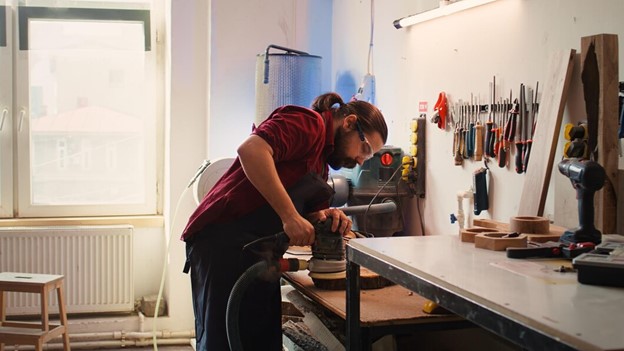
Precision work depends on one simple thing. Nothing moves.
Even small vibrations can cause crooked cuts, damaged threads, or uneven drilling holes. A vice removes that movement. The material stays locked in position while tools do their job.
In busy workshops, this small difference adds up quickly. Fewer mistakes. Faster work. Less frustration. A well-built workbench with a vice becomes the spot where detailed work happens.
Common Workshop Jobs That Need a Vice
Many tasks simply become easier with proper clamping support.
Here are some everyday jobs where a vice makes a clear difference:
- Holding pipes steady while cutting or threading
- Securing wooden boards for drilling or sanding
- Gripping metal pieces for filing or shaping
- Stabilising small components during assembly
Workshops that handle repair work or fabrication rely on these setups constantly.
Safety Benefits That Often Get Ignored
Workshops focus a lot on tools, but stability is just as important for safety.
A loose part can spin, slide, or drop during work. That can damage tools or injure hands. A vice holds the piece firmly, which keeps movement under control.
Another small advantage appears during long projects. Hands stay free instead of constantly gripping parts.
Important safety improvements include:
- Reduced the risk of slipping materials
- Better control while using power tools
- Less hand strain during long jobs
- Cleaner and more predictable cutting
These improvements may sound small, yet they matter a lot in a busy workshop.
Choosing the Right Tool Workbench with a Vice
Not every bench is built for heavy use. A strong structure makes a huge difference. A good tool workbench should include a rigid frame, a durable worktop, and a vice that can handle repeated clamping without loosening over time.
Steel frames often perform best in industrial workshops. Solid wood or composite tops also help absorb vibration. The goal is simple. Stability first. Everything else comes after that.
Why Many Workshops Centre Around One Bench
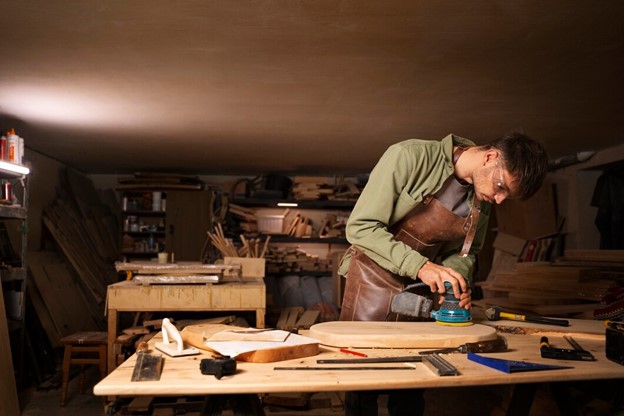
Walk into almost any professional workshop, and one area usually looks busy. The main bench.
Tools gather there. Measurements happen there. Parts get repaired there.
A workbench with a vice often becomes the centre of that activity. Cutting, clamping, shaping, tightening. It all happens in one place.
Once a workshop has a reliable workbench with a vice, it quickly becomes the most-used station in the entire space.
Conclusion
Good workshop work starts with control. Materials need to stay still, tools need space, and workers need stability.
All three are available in a workbench that has a vice. It enhances safety, increases accuracy and simplifies daily tasks to handle.
It is found to be the same in many workshops. The workspace is made up of the right tool workbench. Trustworthy, powerful and prepared to do any task. That is precisely what a practical solution is, that such companies as Workshop Workbench specialise in offering.
FAQs
1. What is a workbench with vice used for?
A workbench with vice is used to clamp materials securely while cutting, drilling, sanding, or assembling parts. It helps improve stability and accuracy during workshop tasks.
2. Is a work bench with vice better than a normal bench?
A work bench with vice adds clamping support, which prevents materials from moving while working. This improves both safety and precision.
3. What jobs require a tool workbench with a vice?
Woodworking, metalworking, automotive repair, pipe cutting, and mechanical assembly often require a tool workbench with a vice for stability.
4. Can a vice be added to an existing tool workbench?
Many workshops install a vice onto an existing tool workbench, as long as the bench is strong enough to handle clamping pressure and heavy work.