


Uncategorised
Workbench on Wheels for Mobile Workshops
Feb
Mobile workshops require equipment that supports movement without compromising stability or performance. A mobile workbench is a convenient way of giving flexibility to professionals who require flexibility in fluctuating workplace conditions. This blog describes the functionality of the workbench on wheels in promoting efficient workflow, its primary application areas, and factors to take into consideration to ensure that you choose the appropriate model to use in your workspace. It is concerned with functionality, durability and appropriateness to real workshop conditions.
Why Mobile Workbenches Matter in Modern Workshops

Work environments are no longer static. Many technicians and engineers work across multiple zones or temporary setups. A mobile work bench allows tools, materials, and work surfaces to move with the task instead of forcing constant setup changes.
Key advantages include:
- Faster task transitions without dismantling equipment
- Better use of the limited workshop or vehicle space
- Reduced downtime between jobs
Mobility is especially valuable in maintenance bays, service vehicles, training facilities, and shared industrial spaces.
Common Use Cases for Mobile Workshop Setups
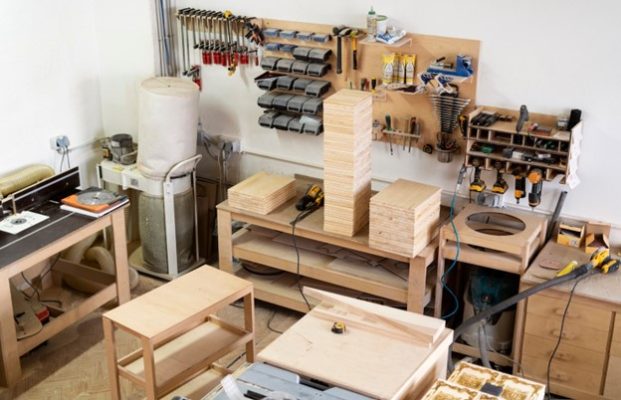
Mobile benches are widely used across industries where flexibility is essential. Typical applications include electronics servicing, mechanical repairs, field maintenance and inspection work.
Workshops benefit from mobile benches in several ways:
- Technicians can relocate equipment closer to the task
- Teams can reconfigure layouts as workloads change.
- Temporary work zones can be set up quickly.
A workshop workbench designed with wheels maintains professional standards while supporting these mobile requirements.
Key Features to Look For in a Mobile Workbench
Not all mobile benches are built for industrial use. Selecting the right model depends on load requirements, surface material, and safety features.
The bench can be held in place through lockable castors when working is in progress and the support of heavy loads can be ascertained using a heavy-duty framework. The built-in storage also serves to arrange the tools and parts used by the technicians and make sure that they can work efficiently without spending time on moving and setting up devices.
Height options, accessory compatibility, and surface finishes should also align with the type of work being performed.
Mobility Without Compromising Safety
A common concern with mobile benches is movement during operation. High-quality designs address this with braking systems and reinforced frames. When properly specified, a mobile work bench remains stable during precision tasks and heavy-duty use.
Safety-focused designs help reduce strain, improve posture, and maintain consistent working conditions across locations.
Choosing the Right Configuration
Every workshop operates differently. Some require compact benches for vehicle use, while others need wider surfaces with power and lighting options. The choice of the right workshop workbench design guarantees low-cost efficiency and adherence to the workplace requirements in the long term.
Consider how often the bench will move, what loads it will carry, and how it integrates with existing equipment.
Conclusion
Mobile workshops require portable and consistent equipment. An effective mobile workbench enhances productivity levels, allows flexibility in layouts, and saves on the cost of diversified working conditions. To get professional-grade solutions designed to meet the needs of a real workshop, Workshop Workbench may have an option.
FAQs
1. What industries benefit most from mobile workbenches?
Mobile workbenches are ideal for maintenance, electronics, automotive servicing, training facilities, and field service operations.
2. Are workbenches on wheels stable enough for heavy work?
Yes, when equipped with lockable castors and reinforced frames, they provide strong stability for professional tasks.
3. Can mobile workbenches be customised?
Most industrial models support accessories such as shelving, power units, lighting, and tool storage.
4. How do I choose the right size mobile workbench?
Base the size on available space, load requirements, and how frequently the bench needs to be moved.