


Electronics Workbench
Steel vs. Wooden Workbenches: Which One is Right for You?
Feb
One of the most vital tasks you will have to launch when designing a workshop is selecting the right workstation. Like working with metal or wood, many vocations need a workstation. Maintaining the efficiency and safety of your surroundings depends on it. Out of all the available workbenches, steel and wooden ones are the two most often used ones. The variances between Steel vs. Wooden Workbenches will be discussed in this blog. This will guide you in selecting the ideal one for your requirements.
The Significance of Choosing the Right Workbench
You cannot stress enough the importance of selecting the appropriate workstation. A proper workstation supports your routine, improves your productivity, and maintains you safe when working on many tasks. Whether you are a beginner or a seasoned expert, you need to be aware of the advantages and drawbacks of every kind of desk if you want to choose the perfect one for your purpose. To help you choose which steel and wooden workbenches are preferable, let us examine their variations.
Durability and Strength of Steel Workbenches
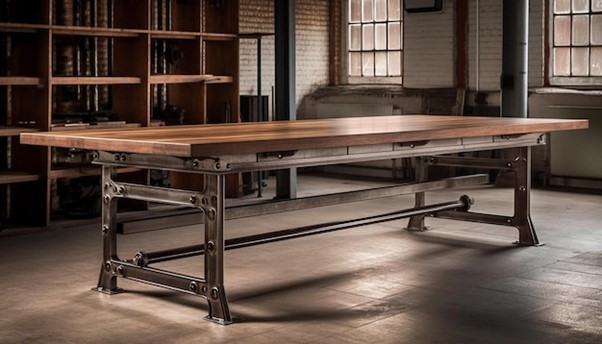
People love steel workbenches because they last a long time and are strong. They are made to handle big loads and rough use, which makes them perfect for business and industry settings. Most of the time, these workbenches can handle acids, dirt, and water, which makes them last longer. Should you be working on tasks requiring robust tools or equipment, a steel desk might be just what you need.
Aesthetic Appeal of Wooden Workbenches
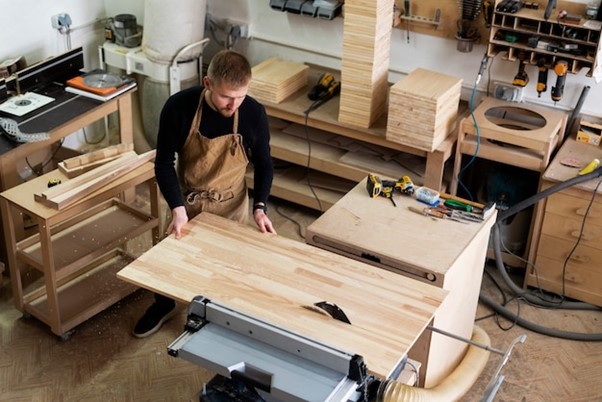
On the other hand, wooden workbenches provide a degree of comfort and attractive appeal not possible with steel ones. Many artists like the traditional appearance and feel of wood, which may help a workshop seem more like a creative area. Wood is also naturally shock-absorbing, which makes it better for working with fragile materials. This feature can lower the chance of breaking delicate parts or tools, which is a big plus for artists and woodworkers.
Cost Considerations
When choosing between steel and wooden workbenches, price is another important thing to think about. Most of the time, steel workbenches cost more than wooden ones because of the materials and methods used to make them. However, this original cost may be worth it in the long run because steel chairs usually need less upkeep and last longer. If you’re on a tight budget, you may be able to find a number of work benches for sale that are of good quality but cost less, especially those that are made of wood.
Intended Use and Functionality
Here are some things to think about:
- Durability: Steel chairs are less likely to bend or break.
- Looks good: Wooden chairs can make a workshop look better.
- Weight: Steel chairs are more stable because they are heavy.
- Care: To keep them from wearing out, wooden tables may need more care.
Workspace Size and Layout
One also considers the dimensions and arrangement of the workshop desks. Different designs abound for steel workbenches, including movable ones that may be moved around as required. Usually more permanent, wooden workbenches may be tailored to match certain requirements and spaces. Your decision may be much influenced by the size of your workshop and bench use strategy.
Customization Options
Wooden workbenches are better because they can be changed to fit your needs. They are easy to change to fit the needs of the user by adding vices, tool storage, and other features. It is possible to make steel workbenches more or less the way you want them, but not as much. You may find that the ways you can change wooden workbenches fit your needs better, depending on the projects you’re working on.
Maintenance Considerations
Maintenance is another important part. Usually requiring little upkeep, steel workbenches merely need to be cleaned every so often to remain looking great. To avoid the wood from being damp and worn down, wooden workbenches may also need to be oiled and refinished every so often. Steel workbenches might be a better choice if you want something that doesn’t need much upkeep.
Safety Features
In any workplace, safety is very important. Most of the time, steel workbenches are more stable and won’t fall over when they’re put on big loads. On the other hand, wooden workbenches can have a softer surface that is better for some jobs. Depending on the things you work with, you might want to compare the safety features of each type carefully.
Conclusion
For various individuals, steel and wood workbenches have advantages and drawbacks that define them either favourably or negatively. Choosing one depends on the particular requirements of your project, your budget, and the desired workshop appearance. Having the correct workstation will ultimately increase your productivity and help to keep your workplace safe. Many excellent options in Workshop Workbench may be used in different styles.