


Uncategorised
Benefits of Steel Work Benches in High-Impact Work Environments

Jan
Severe work settings require machinery that is capable of operating under continuous loading, force, and day-to-day wear without interfering with its safety or functionality. The manufacturing plants, engineering departments, motorcycle plants, and industrial laboratories are based on solid workstation solutions to ensure the business runs smoothly. The reasons as to why steel work benches are popular in demanding workplaces are explained in this blog, and how they promote productiveness, safety and long-term cost management. It is based on practical advantages, practical application, and the criteria of decision-making related to professional workshops.
Why Material Choice Matters in Industrial Workspaces
In high-impact environments, the workbench is not just a surface. It is a structural component that supports tools, machinery, and precision tasks. Choosing the right material directly affects:
- Operator safety
- Workflow efficiency
- Maintenance costs
- Equipment lifespan
Steel is one of the most reliable materials for working in industrial workstations as it will always work under pressure.
Strength and Load-Bearing Capacity
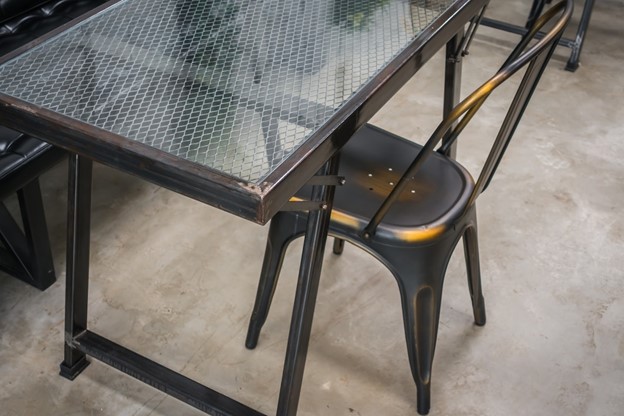
Designed for Heavy Loads
Steel benches are designed to deal with large static and dynamic loads. They are reinforced, have welded joints that enable them to bear heavy machinery, tools and materials without bending.
Key advantages include:
- High uniformly distributed load (UDL) ratings
- Resistance to bending or warping
- Stability during vibration-heavy tasks
This makes a steel workbench ideal for environments where impact, torque, or repetitive force is part of daily operations.
Durability in High-Impact Conditions
Built for Long-Term Use
Steel construction offers superior resistance to damage compared to wood or composite materials. It performs well in environments exposed to:
- Oil, grease, and chemicals
- Heat and sparks
- Sharp tools and dropped components
Coat finishes of protective powder-coated finishes also help in reducing corrosion and surface wear and increase the life of the bench with a minimum level of maintenance.
Improved Safety and Compliance
Reduced Workplace Risk
In industrial settings, safety is non-negotiable. Steel work benches contribute to safer operations by providing:
- Stable, non-shifting work surfaces
- Fire-resistant properties
- Compatibility with grounded and ESD-safe setups
Many steel benches are designed to meet industry standards, making them suitable for regulated environments such as electronics assembly or mechanical production.
Ergonomic and Task-Focused Design
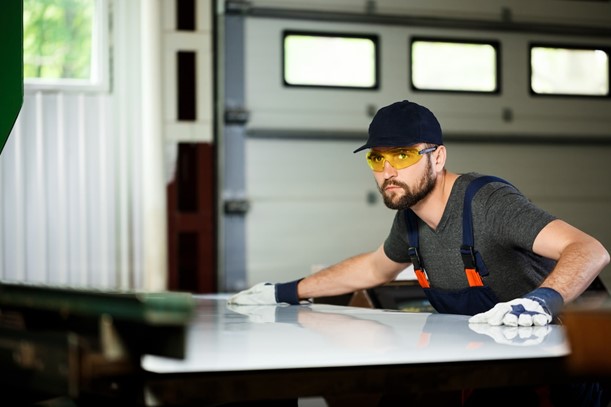
Supporting Efficient Workflows
Modern steel benches are not limited to fixed designs. They can be configured to support different working styles and tasks. Options include:
- Height-adjustable frames
- Integrated storage drawers
- Shelving and tool rails
- Power and lighting accessories
A properly set standing workbench will alleviate fatigue, enhance posture and not slow down productivity even on repetitive tasks.
Easy Maintenance and Low Downtime
Minimal Disruption to Operations
Steel surfaces are easy to clean and maintain. Unlike porous materials, they do not absorb liquids or debris. This results in:
- Faster cleanup between tasks
- Reduced contamination risks
- Lower maintenance costs over time
For facilities operating on tight schedules, this reliability helps minimize downtime.
Cost Efficiency Over Time
Long-Term Value
Although steel benches are more expensive to purchase than other lighter ones, they provide a better value in the long term. They are durable, thereby minimizing frequent replacement or repair. In the case of businesses that have many workstations, this is translated into quantifiable cost savings.
Ideal Applications for Steel Work Benches
Steel benches are commonly used in:
- Manufacturing and fabrication units
- Automotive and mechanical workshops
- Industrial training centers
- Electronics and testing labs
This allows them to be used on both fixed and movable workstations set-ups, both seated and standing.
Conclusion
Steel work benches are tough enough, durable, and safe to use in high-impact work areas. They carry heavy weight, enhance safety at the workplace, and can suit ergonomic requirements without much maintenance. Steel is a viable and tried option as a work station solution among businesses that want to employ long-term solutions. You can find the professional-grade products available at Workshop Workbench to suit your operations.
FAQs
1. Why are steel work benches preferred in industrial environments?
Steel benches offer high load capacity, durability, and resistance to impact, making them suitable for demanding industrial tasks.
2. Can steel work benches be used for standing tasks?
Yes, many designs support standing workbench setups with adjustable height options for ergonomic use.
3. Are steel benches suitable for electronics work?
Steel benches can be configured with ESD-safe components, making them suitable for electronics assembly and testing.
4. How long does a steel workbench typically last?
With proper use and minimal maintenance, a steel workbench can last many years, even in high-impact environments.