


Uncategorised
ESD Workbenches: Protecting Sensitive Electronics in Your Workspace
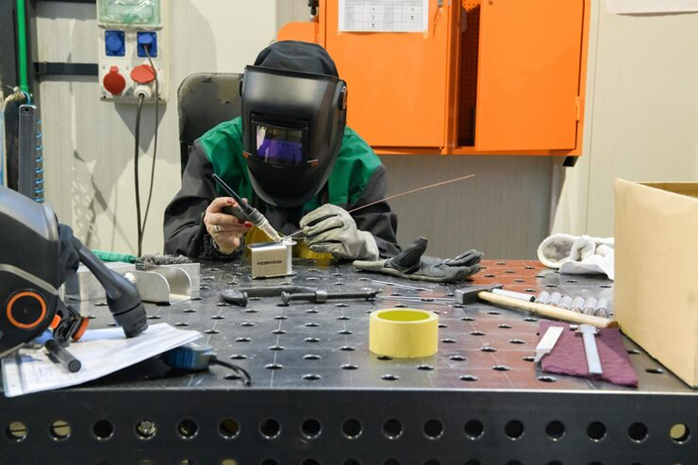
Apr
A circuit board can fail before you even notice a spark. That is the quiet danger most people underestimate. An ESD workbench is not just for large factories. It plays a real role in everyday electronics work, from repairs to assembly.
This blog explains how static damage happens, what makes an ESD-safe setup reliable, and how to build a workspace that actually protects your components.
What Is an ESD Workbench and Why Does It Matter

An ESD workbench is built to control and safely discharge static electricity. It prevents electrostatic buildup from transferring into delicate electronic parts.
Static is not always visible or felt. Indeed, a lot of parts could be ruined at a much lower level than a human being can sense. According to industry references, microelectronics can be influenced by even a few hundred volts, and humans can usually sense the presence of a shock above several thousand volts.
A regular electronics workbench may look similar, but it lacks controlled grounding. That gap is where problems begin.
How Static Damage Happens in Real Workspaces

Static builds up from simple actions. Walking across the floor, adjusting clothing, or even moving tools can generate a charge. Dry environments make it worse.
A small repair setup once faced repeated failures during testing. Components were replaced again and again, yet issues continued. The root cause turned out to be the workspace. No grounding, no ESD surface. After switching to a proper electronic workbench, failure rates dropped sharply. That kind of issue is common. It often goes unnoticed until losses add up.
Key Features of a Reliable ESD Workbench
A proper setup is more than just a labelled surface. It needs to work as a system.
Essential features include:
- ESD-safe laminate surface for controlled discharge
- Grounding points that connect safely to the earth
- Compatibility with wrist straps and anti-static mats
- Strong frame for long-term industrial use
- Clean layout to avoid clutter and interference
Each element supports the same goal. Keep static under control at all times.
Setting Up an ESD-Safe Electronics Workbench
Even the best bench fails without a correct setup. Small mistakes can weaken protection.
Practical setup steps:
- Connect the bench to a verified grounding source
- Use wrist straps when handling sensitive parts
- Maintain moderate humidity where possible
- Keep insulating materials away from the work area
- Test grounding regularly for consistency
It is not the complexity that counts but rather the consistency. An easy and simple installation is better than one that is sophisticated yet in poor condition.
ESD Workbench vs Standard Workbench
A standard bench supports tools and tasks. An ESD workbench supports both tasks and protection. That difference shows up in daily work. Fewer damaged components, fewer unexplained failures and better long-term reliability. For anyone handling circuits regularly, that is not optional. It is necessary.
Choosing the Right Electronic Workbench
Different users have different needs. A compact repair station will not match the demands of a production floor.
Size, load capacity, and workflow all matter. Heavy-duty users often need stronger frames and larger surfaces. Smaller setups still require proper grounding and ESD features. What stays constant is the purpose. Convenience should never be at the expense of protection.
Conclusion
Static damage is easy to ignore and expensive to fix. An ESD workbench reduces that risk directly and practically. It introduces a sense of control over what is generally considered unpredictable in a part of the process.
The more protection, the better the results. Fewer failures. Less waste. More confidence in every task. For workspaces that take electronics seriously, investing in a reliable setup from Workshop Workbench is a step that pays off over time.
FAQs
1. What is an ESD workbench used for?
An ESD workbench is used to safely discharge static electricity and protect sensitive electronic components during work.
2. How is an electronics workbench different from an ESD workbench?
An electronics workbench supports general tasks, while an ESD workbench includes grounding systems to prevent static damage.
3. Do I need an electronic workbench for small-scale repairs?
Yes, even small repairs can be affected by static. An electronic workbench with ESD features helps prevent hidden damage.
4. How often should I test my ESD workbench setup?
Regular checks are recommended, especially for grounding connections, to ensure consistent protection.