


Uncategorised
Mobile Workbench on Wheels: Advantages for Dynamic Workspaces
Mar
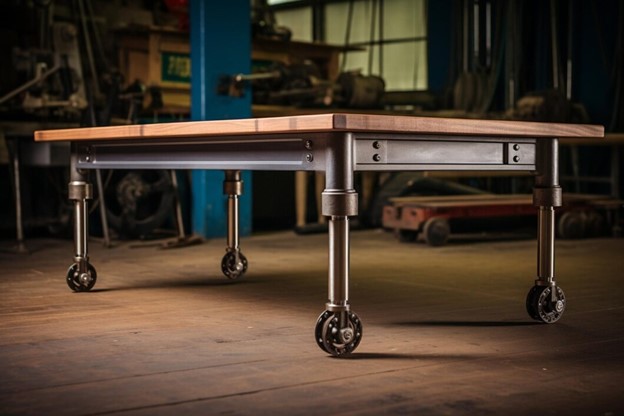
Workshops rarely stay still. One week a repair project takes over the corner of the shop. Next week the same space turns into an assembly area. Fixed tables start to feel like obstacles after a while.
A mobile work bench changes that situation in a simple but practical way. Instead of dragging tools across the floor or walking back and forth all day, the workstation moves with the work.
This blog discusses the benefits of a workbench on wheels to enhance the workflow and the reasons why today teams are more comfortable with the flexibility of workstations and the ways in which a modular workbench may be used to accommodate the changing work and not disrupt the work.
Why Workshops Are Moving Toward Mobile Workstations
Traditional workbenches were built to stay in one place. That worked fine years ago when workspaces followed a fixed layout. Today things are different. Equipment changes. Projects shift. Teams move around the shop constantly.
A workbench on wheels fits this new style of work much better.
Rolling workstations allow tools, parts, and work surfaces to travel with the technician. Less walking. Less wasted motion. Tasks get finished faster because everything stays close.
Even small adjustments in layout can make a noticeable difference during a long shift.
Key Advantages of a Mobile Work Bench
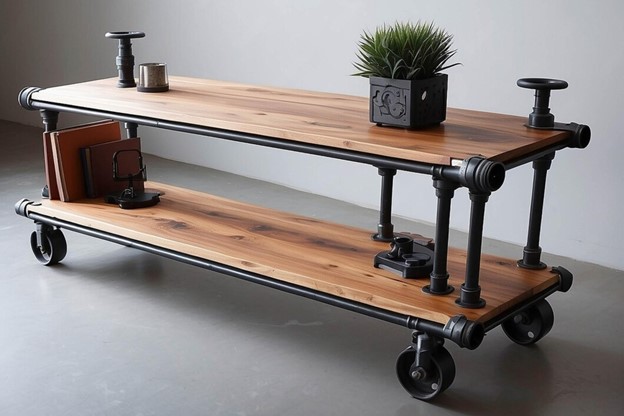
Mobility may sound simple, but the impact inside a busy workshop can be surprisingly big.
A well-designed mobile workbench offers several practical advantages:
- Faster workflow because tools stay close to the task
- Better space usage when benches can move out of the way
- Improved teamwork during shared assembly or repair jobs
- Less worker fatigue from reduced walking across the workshop
Many technicians notice the difference after just a few days of using a rolling workstation. The work feels smoother. Less stopping and starting.
How a Modular Workbench Supports Flexible Workspaces
Flexibility does not stop with wheels. Modern workstations often follow a modular workbench design.
Modular systems allow the workstation to grow or change depending on the project. That makes a huge difference in shops where tasks vary from week to week.
A typical modular setup may include:
- Interchangeable worktops suited for mechanical or electrical tasks
- Add-on storage drawers to keep tools organised
- Shelving or lighting attachments for detailed work
- Expandable workstation layouts when larger projects appear
One day, the bench handles a repair job. The next day, it becomes part of a larger assembly station. That flexibility is the real advantage.
Where Workbenches on Wheels Work Best
Rolling workstations appear in many different industries now. Automotive garages rely on them during engine repairs. Technicians move the bench beside the vehicle instead of carrying tools back and forth across the shop.
Electronics workspaces often combine mobility with modular workbench systems. Adjustable shelves, storage drawers, and organised tool layouts make small component work easier.
Manufacturing floors benefit as well. Production layouts change often. A workbench on wheels allows teams to rearrange workstations quickly without slowing production.
Sometimes a small improvement like this quietly saves hours every week.
Choosing the Right Mobile Work Bench
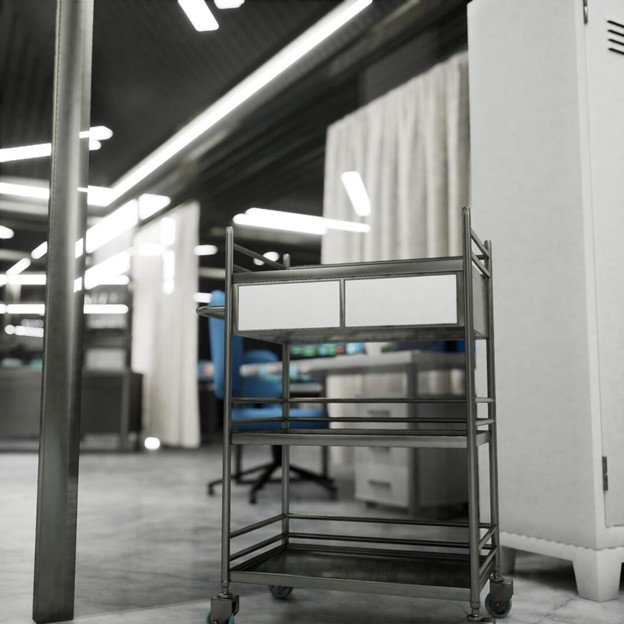
Not every rolling workstation performs the same. Build quality matters.
A reliable workbench on wheels should include:
- Locking caster wheels that keep the bench stable while working
- Strong steel frames for heavy loads
- Durable worktops that resist damage
- Integrated storage options for tools and equipment
Stability is especially important. The bench should move easily when needed but remain completely solid during work.
Conclusion
Workshop environments change constantly. New tools arrive. Projects evolve. Layouts shift without much warning.
A mobile workbench brings flexibility into that environment. The workstation moves with the job, helping teams stay organised and productive. When combined with a modular workbench design, the setup becomes even more adaptable for growing workspaces.
Many professionals are already moving toward flexible workstation systems. For durable and practical workspace solutions built for real workshop demands, Workshop Workbench continues to provide reliable options.
FAQs
1. What is a mobile work bench used for?
A mobile work bench provides a movable workstation used in garages, workshops, and factories. It allows tools and work surfaces to move directly to the task instead of staying in a fixed position.
2. Are workbenches on wheels stable during heavy work?
A high-quality workbench on wheels includes locking caster wheels and strong frames. Once the wheels are locked, the bench stays steady during mechanical or assembly tasks.
3. What is a modular workbench?
A modular workbench is a workstation that can be expanded or adjusted with additional components such as drawers, shelves, or tool panels. This flexibility allows the workstation to adapt to different tasks.
4. Why are mobile work benches becoming popular?
Modern workshops require flexibility. A mobile work bench allows teams to rearrange workstations quickly, reduce unnecessary movement, and improve efficiency inside dynamic workspaces.