


Uncategorised
Industrial Workbenches for Manufacturing Facilities

Feb
The production centres require well-organised, recurring processes in which all workstations should help to facilitate productivity and safety. The industrial workbenches are made to fit in such areas having a steady platform where assembly, checking, testing and repairing of the products are done. These benches are not made like general furniture; they are designed to support weight, toughness and merge with industrial processes. This blog details the operation of workbenches in manufacturing environments, what features are most important and how plants can find solutions that allow them to operate without interruption in their day-to-day activities.
Why Manufacturing Facilities Require Purpose-Built Workbenches
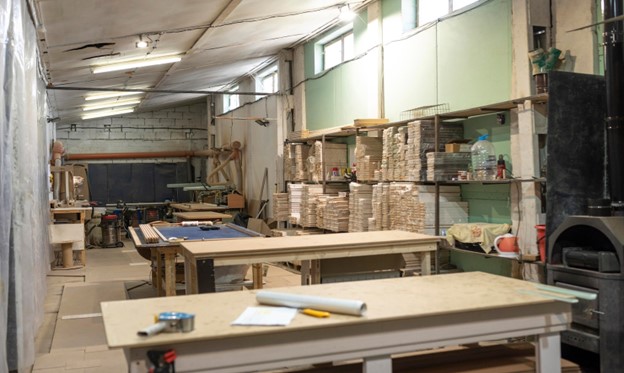
Physical work surfaces are subjected to regular demands by manufacturing activities. The weight of the equipment, its repetitive movements and constant use demand the benches that are stable in the long run. An industrial work bench is well equipped to foster accuracy, minimise rework and facilitate continuity in operational flow in shifts. Workbenches are also used as permanent points of reference in the production design. Their positioning affects the efficiency of the workflow, material handling, and movement of the workers. When the benches are specifically designed to do the task, the operators take less time to do work with few adjustments or even interruptions. Workbench construction can also be used in regulated environments to meet the requirements of safety and quality of work by providing consistent working conditions.
Structural and Material Considerations
Frame strength and surface material determine how a bench performs under industrial use. Steel frameworks are commonly used due to their ability to support heavy static and dynamic loads without flexing. Surface materials are selected based on task requirements rather than appearance.
Key structural factors include:
- Load-bearing capacity for tools and components
- Resistance to vibration and impact
- Long-term stability under continuous use
Surface options vary from laminate and hardwood to stainless steel or ESD-safe finishes, each supporting different manufacturing processes.
Configuration for Factory Workflows
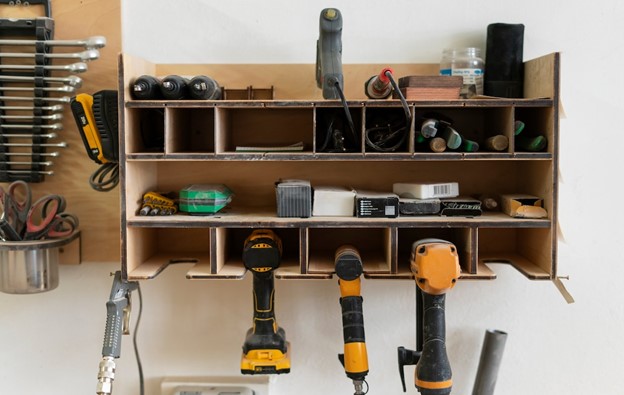
Factory layouts differ by industry, which is why factory work benches are often modular rather than fixed designs. Modular systems allow facilities to adapt workstations as production requirements change without replacing entire setups.
Common configuration elements include:
- Integrated storage for tools and consumables
- Overhead lighting and shelving systems
- Power and data access at the workstation
These features reduce unnecessary movement and help maintain organised, task-focused work areas.
Ergonomics and Operator Efficiency
Ergonomics is not an extravagance; it is a necessity in manufacturing. Repetitive work is less physical due to adjustable working heights, sufficient legroom and easy access to tools. This, in the long run, promotes regular production and reduces fatigue-related mistakes. Operationally, bench ergonomics helps to achieve a predictable workflow. The operators are able to keep a steady position and access zones, thus standardising procedures between teams and shifts.
Selecting the Right Bench for Industrial Use
Choosing the correct workbench starts with evaluating the task environment. Assembly, inspection and repair stations all place different demands on workspace design. Space availability, load requirements and future scalability should be considered during selection.
Facilities benefit from standardised bench systems that can be expanded or reconfigured as production evolves. This approach supports long-term planning while maintaining consistency across departments.
Selection considerations typically include:
- Task type and frequency
- Available floor space
- Compatibility with existing equipment
Conclusion
Industrial workbenches form the backbone of efficient manufacturing workspaces. When created for load capacity, surface performance and ergonomic help, they help facilities maintain consistent output and organised workflows. Selecting benches that align with real operational needs provides durability and long-term value. To explore purpose-built solutions designed for manufacturing environments, review the range available from Workshop Workbench.
FAQs
1. What defines an industrial workbench for manufacturing use?
It is a heavy-duty workstation designed to handle continuous use, high loads, and integration with industrial tools and systems.
2. How do factory work benches improve productivity?
They create organised, task-specific workstations that reduce movement, improve accuracy, and support consistent workflows.
3. Are industrial work bench systems adjustable?
Many systems offer adjustable heights and modular accessories to match specific operational requirements.
4. What industries typically use industrial workbenches?
Manufacturing, assembly, electronics, maintenance, and quality control environments commonly rely on them.