


Uncategorised
Packing Bench Setup Guide: How to Design an Efficient Dispatch and Packing Station
Jun
Every delayed dispatch starts somewhere. Usually it is not the courier. It is the packing station itself: buried in bubble wrap, short on space, missing the right tape gun, or set up for one person when three are working the same shift.
A poorly designed packing area is one of the most quietly expensive problems in a fulfilment operation. Orders slow down. Errors creep in. Staff get frustrated. And none of it looks dramatic enough to trigger an urgent fix until the backlog becomes impossible to ignore.
This guide covers what goes into a properly designed work table setup for packing and dispatch, from surface sizing and storage positioning to the checks that happen before a box ever gets sealed.
Start with Flow, Not Furniture
The single biggest mistake in packing station design is choosing furniture before mapping the workflow. Where do incoming items arrive? Where do packed orders leave? What direction does work move across the station?
The bench needs to sit within that flow, not against it. A station that forces a packer to turn 180 degrees every time they reach for materials burns seconds on every single order. Over a full shift, that adds up to significant lost time. Measure the space properly, account for aisle clearance on both sides, and decide where waste material goes before anything else gets specified.
Surface Size and Working Height
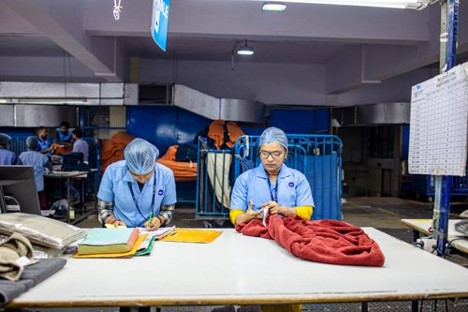
A packing bench needs room. Unlike precision work that happens in a small focused area, packing involves spreading items out, manoeuvring boxes, checking contents, and folding materials. A surface that is too narrow forces compromise on every task.
For most packing operations, a depth of 750 mm to 900 mm gives enough working room without becoming unwieldy. Width depends on how many stations run in parallel and how large typical orders are.
Height is where many operations get it wrong. A fixed bench at standard desk height works for seated tasks but becomes exhausting for standing packers over a full shift. The Health and Safety Executive guidance on workstation ergonomics is clear that working height should match the task and the worker. For standing packing work, a surface set at roughly elbow height reduces shoulder and back strain noticeably.
A proper work table in a busy dispatch environment should ideally offer height adjustment, or at minimum be specified at a height that suits the staff performing that role daily.
Positioning Materials Within Reach
Reaching for tape, void fill, labels, or scissors sounds trivial. Do it six hundred times in a shift and the cumulative effect on pace and physical fatigue becomes very real.
Anything used on every order belongs within arm’s reach without stepping away from the bench. That means a fixed position for the tape dispenser, a dedicated spot for the label printer, and somewhere immediate for packing slips. Everything else belongs on shelving above or below the bench rather than on the working surface.
Here is a practical layout for a standard packing station:
- Label printer at dominant-hand side, at surface height or slightly above
- Tape dispenser mounted within reach of both hands
- Void fill within the bench footprint, not on a separate trolley
- Waste bin directly below or beside the bench edge, not behind the operator
Inspection Built Into the Station
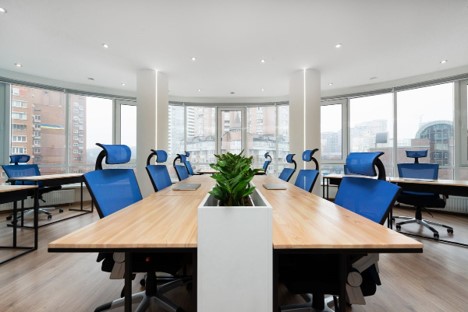
Packing and quality checking are often treated as separate steps. In practice they frequently happen at the same station, especially in smaller operations. A quality inspection table function built into the packing bench saves a handling step and reduces the chance of a faulty item getting sealed and dispatched.
Good lighting matters here more than most people factor in. A well-lit surface makes it easier to spot damage, confirm labels, and check items against a packing slip. Overhead LED lighting mounted directly above the work tables in the dispatch area is a straightforward addition that noticeably reduces errors.
If inspection and packing consistently happen together, specify a slightly larger surface to accommodate both functions without crowding either one.
Connectivity and Power
Modern dispatch operations run on data. Scanners, printers, screens showing order queues. All of that needs power and often a reliable wired connection.
Integrated sockets and Ethernet ports built into the bench structure keep cables managed and off the floor. Trailing cables in a busy packing area are a trip hazard that HSE compliance requirements take seriously. A monitor arm keeps the screen at a proper ergonomic position and reclaims surface space that a freestanding monitor would otherwise consume.
Conclusion
A well-designed packing station is not complicated, but it does need deliberate planning. Surface size, working height, material proximity, lighting, and connectivity all affect how quickly and accurately orders move through dispatch. Getting these details right prevents the slow build-up of inefficiency that costs operations far more over time than the upfront investment in proper equipment.
At Workshop Workbench, packing and dispatch benches are available with the accessories, dimensions, and configurations that serious fulfilment operations actually need.
FAQs
What size work table is best for a packing station?
A surface depth of 750mm to 900mm works well for most packing operations. Width should be determined by order volume and typical item size. The priority is enough room to spread items out comfortably without overcrowding the working area.
Should a packing bench be height adjustable?
For standing operations with multiple staff sharing the same station, height adjustability reduces physical strain and improves output across a full shift. Where adjustability is not possible, specify a fixed height suited to standing work rather than standard desk height.
How important is lighting at a dispatch station?
Overhead lighting directly above the bench reduces labelling errors and makes item inspection more accurate before sealing. It is one of the simplest additions with an immediate practical effect on error rates and efficiency.
Can a packing bench double as a quality inspection station?
Yes, and in many smaller operations it should. Combining both functions at the same station removes a handling step and reduces the risk of dispatching incorrect or damaged items. A slightly larger surface and good overhead lighting are the two main requirements for making it work effectively.