


Uncategorised
Workbench with Vice: Benefits and Use Cases
Feb
A workbench with vice is a core fixture in professional workshops, garages and serious home workspaces. It combines a stable work surface with a built-in clamping tool, allowing users to hold materials firmly while cutting, shaping, drilling, or assembling. For users who value precision, safety and efficiency, this setup reduces manual handling and improves task control.
This blog explains the sensible benefits of benches with included vices, outlines common use instances and helps you decide whether this sort of bench is the proper choice. The focus is on real workshop needs, clear comparisons and functional guidance aligned with industrial and trade environments.
What Is a Workbench with a Vice?
A work bench with vice integrates a clamping mechanism without delay into the bench structure. The vice is generally hooked up at the front aspect or corner of the bench and is designed to grip substances securely throughout work.
Unlike portable clamps, a fixed vice provides:
- Consistent holding force
- Improved accuracy
- Hands-free operation
This makes it suitable for repeat tasks and heavy applications where stability matters.
Key Benefits of a Bench with an Integrated Vice
Improved Safety During Tasks
Picking items up with your hands will put more risk of falling and other injuries. The workpiece is fixed by a constant vice that ensures no fingers are in the blades or drills or handing over tools. This is specifically important in metalworking and woodworking environments.
Higher Precision and Control
When materials are firmly clamped, measurements remain accurate, and cuts stay aligned. This improves overall work quality and reduces rework. Tasks such as filing, sawing, or tapping benefit from a stable setup.
Time Efficiency
An integrated vice eliminates the need to installation clamps for every project. This quickens workflows, mainly in workshops dealing with common or repetitive jobs.
Common Use Cases Across Workshop Types
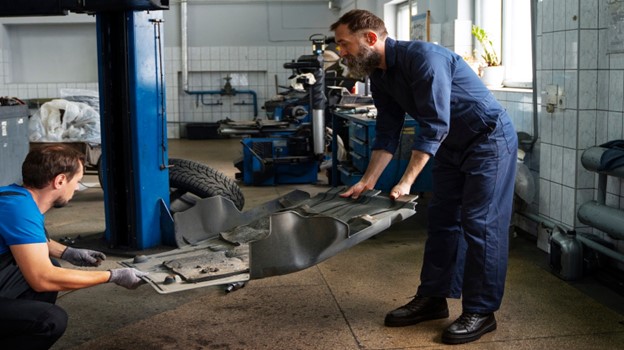
Mechanical and Automotive Workshops
In mechanical settings, vices are used for:
- Holding metal components during filing
- Securing parts for drilling or threading
- Supporting small assemblies during repair
The bench must handle vibration and high loads, making heavy-duty frames essential.
Woodworking and Fabrication
Woodworkers rely on vices to keep materials steady for cutting, planning, or sanding. A vice reduces movement, which helps achieve cleaner finishes and consistent results.
Maintenance and Repair Environments
Facilities teams and maintenance workshops often work with varied components. A bench with an integrated vice provides flexibility for gripping different shapes and sizes without additional fixtures.
Vice Types and Their Practical Differences
Standard Fixed Vice
This is the most prevalent alternative. It is powerful in clamping and durable, to be used in general workshop activities.
Swivel Vice
A swivel base allows the vice to rotate, improving access to the workpiece. This is useful when working at different angles without repositioning the material.
Quick-Release Vice
The type is also designed to be efficient since it can be opened and closed quickly. It is applicable in the settings where speed and repetition are valued.
Choosing the right vice depends on task frequency and material type.
Bench Construction and Load Considerations
A vice adds stress to the bench frame, so construction quality matters.
Frame Strength
Steel frames with strengthened legs take care of the additional force generated at some point of clamping and impact obligations. Welded frames provide higher rigidity than bolt-together designs in excessive-load settings.
Worktop Thickness
Thicker worktops resist flexing when the vice is under pressure. Materials like hardwood or steel perform well in demanding applications.
Load Capacity
Always check the bench’s rated load capacity. Heavy clamping tasks can exceed the limits of light-duty benches.
Integration with Storage and Accessories
A bench with a vice works best when paired with efficient storage and layout features.
- Drawers keep hand tools within reach.
- Shelving supports parts and materials.
- Pegboards allow quick access to frequently used tools.
These additions reduce movement around the workshop and improve productivity.
Ergonomics and Working Height
Correct bench peak reduces pressure and improves manage. For duties involving a vice, the top should allow a snug downward force without bending or overreaching.
Adjustable benches or custom heights are used in shared workshops to make them adjustable to various users and to various tasks.
When a Bench with a Vice Makes Sense
This setup is ideal when:
- Tasks require frequent clamping
- Precision and repeatability are important.
- Safety is a priority.
- The workshop handles mixed materials.
For lighter or occasional tasks, a separate clamp may suffice. For regular work, an integrated vice offers clear advantages.
Comparison with Portable Clamps
Portable clamps are flexible but less stable. A workbench with a vice provides:
- Greater holding force
- Better alignment
- Reduced setup time
Clamps remain useful for large or irregular items, but they do not replace a fixed vice for daily operations.
Selecting the Right Bench for Your Workflow
When reviewing options, consider:
- Vice size and jaw width
- Bench load rating
- Frame material and finish
- Available workspace
A well-matched tool workbench improves challenge flow and prolonged-time period sturdiness, especially in expert environments.
Maintenance and Long-Term Care
To extend service life:
- Keep vice threads clean and lubricated
- Tighten mounting bolts regularly.
- Inspect jaws for wear.
- Clean the worktop after heavy use.
Simple maintenance prevents performance issues and ensures safe operation.
Conclusion
A bench with an integrated vice supports safer, faster, and more precise work across many workshop types. It reduces setup time, improves manage, and handles annoying obligations with consistency. By selecting the proper vice type, frame strength, and layout, workshops can improve productivity and reduce risk. If you are planning to upgrade or equip a workspace, explore professional bench solutions from Workshop Workbench. Which tasks in your workshop would benefit most from a fixed vice setup?
FAQs
1. What size vice is best for a general workshop?
A medium-sized vice with adequate jaw width suits most general tasks. Match the size to the materials you handle most often.
2. Can a vice be added to any bench?
Not all benches support vice installation. The frame and worktop must handle clamping forces without flexing.
3. Is a swivel vice better than a fixed one?
A swivel vice offers more flexibility for angled work, but fixed vices provide slightly more rigidity for heavy tasks.
4. How often should a vice be maintained?
Light lubrication and inspection every few months are usually sufficient, depending on usage frequency.