


Uncategorised
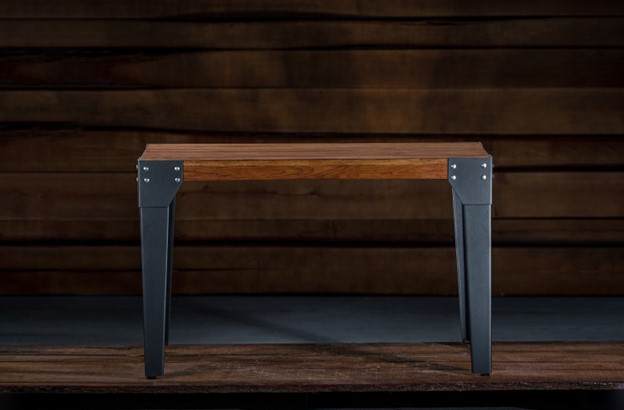
Heavy Duty Table for Manufacturing and Assembly
Feb
A heavy duty table is a core requirement in manufacturing and assembly environments where strength, stability and long-term performance are critical. In plants and industrial work places, regular furniture will not handle recurrent loads, tooling impact and daily use. This blog details the application of heavy-duty tables in a manufacturing environment, the characteristics that are important in such an environment, and the best method of choosing the appropriate solution to fit assembly lines, manufacturing floor and technical work stations. It aims at practice, safety and efficiency which are important to the industry operations.
What Defines a Heavy Duty Table in Manufacturing?
Heavy-duty tables used in factories are engineered for high load capacities and demanding conditions. They differ from standard benches in materials, frame construction, and performance under stress.
Frames made of reinforced steel help to carry both the stationary and movable loads and the working caps, like steel, laminate, or hardwood, are industrial grade and are durable. Increased stability ensures that the table can resist vibration, the impact of tools and repetitive work usually experienced in the manufacturing setup.
These features make them suitable for machining support, mechanical assembly, inspection stations, and packing operations.
Applications in Manufacturing and Assembly Environments
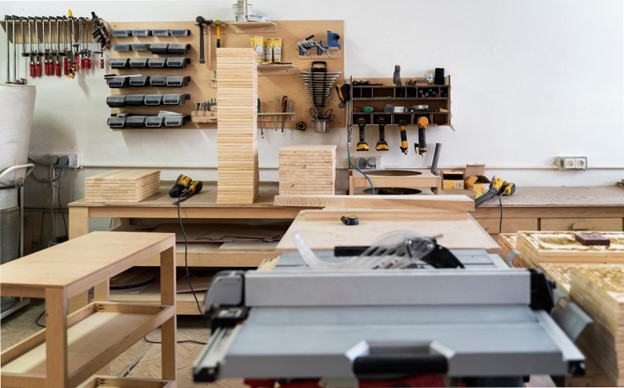
In production settings, tables are rarely used for a single purpose. A properly specified heavy duty workbench supports multiple tasks across different departments.
Common applications include:
- Assembly lines for mechanical and electrical components
- Quality control and inspection stations
- Maintenance and repair areas within factories
Because these environments operate continuously, durability and ease of maintenance are essential. Adjustable heights and modular accessories also help improve ergonomics and workflow efficiency.
Choosing the Right Table for Factory Use

Selecting the right solution involves more than load rating alone. Factory managers must consider space, task type, and long-term adaptability when investing in factory work benches.
Important selection factors:
- Load capacity matched to tools and materials used
- Worktop material suited to the task (impact, heat, or chemical resistance)
- Compatibility with accessories such as shelving, lighting, and power modules
A well-chosen table reduces downtime, improves safety, and supports consistent output across shifts.
Benefits of Using Industrial-Grade Work Tables
Heavy-duty tables contribute directly to productivity and workplace safety. Their design minimises movement during tasks and reduces the risk of structural failure.
Operational benefits include:
Stable working surfaces improve worker efficiency by supporting consistent, precise tasks. The construction will be durable and maintainable with lower costs in the long run. Adherence to the workplace safety requirements also guards personnel and procedures and, therefore, heavy-duty work tables are a good investment that can be used in the long-term, as opposed to a temporary measure.
Conclusion
Heavy-duty tables are also crucial in the manufacturing and assembly processes since they offer good support to both the tools, parts and the human resources. Selecting the appropriate specification enhances efficiency, safety and workspace organisation. For tailored industrial solutions designed for real factory environments, explore options from Workshop Workbench.
FAQs
1. What load capacity should a heavy-duty table have for manufacturing use?
Load capacity should exceed the combined weight of tools, materials, and applied force to ensure long-term stability.
2. Are heavy-duty workbenches suitable for continuous shift work?
Yes, industrial-grade benches are designed for constant daily use in multi-shift environments.
3. Can factory work benches be customized with accessories?
Most industrial tables support modular add-ons such as shelving, lighting, and power units.
4. How do heavy-duty tables improve workplace safety?
Their stability and strength reduce movement, lowering the risk of accidents and equipment damage.